Category: Signage

  • How to Use Signage in Museums to Create Immersive Experiences

    How to Use Signage in Museums to Create Immersive Experiences

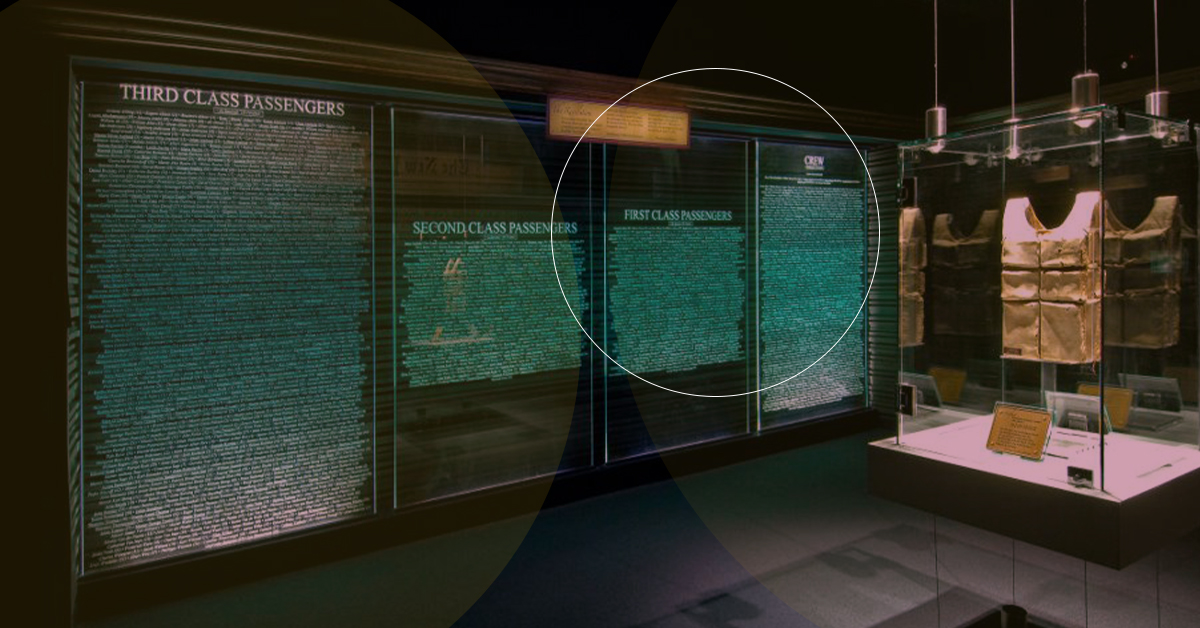
    Innovations in wall, floor, and ceiling graphic print signage along with digital technology is redefining the way people enjoy cultural, historical, or natural wonders in a museum. Creative integration of signage into exhibits and throughout galleries can offer visitors immersion and interactivity with new, informative, and fun connections between the exhibit and the participant. Museums can build multi-sensory exhibits that incorporate space in different ways to stimulate deeper engagement in dynamic environments. Interactive experiences create more meaningful experiences with visitors in immersive environments using touch screens, QR codes, and interactive guides. Immersive experiences can transport participants to new worlds with virtual reality (VR), augmented reality (AR), and 360-degree mapping applications.

    Museum Signage For Storytelling

    Signage can bring your exhibits to life with storytelling elements that add dynamic education and entertainment features for memorable experiences. Every visitor consumes information in their own way and presenting background and providing deeper content with printed and digital signage helps reach everyone. Surround your guests with strategically placed digital screens and wall and ceiling wraps. Deploy print and digital art installations that convey exhibit information in new and exciting ways. Engage their senses and place your visitors in environments within the story, making them a part of the fun and journey.

    Innovations in digital and print technology are making it easier to incorporate architectural features to share information in ways that encourage engagement. Both interior and exterior spaces can be converted into works of art with flexible graphic film that wraps around walls and attaches to other surfaces. Digital video screens can be used to add context to exhibits and attractions with video, text, and images that connect with audiences and add depth to exhibits. They can also be used for advertising future events and to generate revenue. Touchscreen technology and interactive art exhibitions give the guests greater control over their experience, making for a unique and unforgettable visit and a fun way to learn and be entertained. To encourage fuller engagement, social media walls let you curate user-generated content that adds personalization and encourages greater participation.

    Museum Signage For Wayfinding 

    The time to begin engaging with and educating your guests is the moment they arrive on your property, and nothing does the job as well as strategically placed and eye-grabbing wayfinding signage. Large, attractive banners can be used to announce events with bright, bold designs and sharp print quality. Directional signage can incorporate themes and keep your guests moving confidently through your space. Lobby displays can set the tone for the entire visit, providing information on exhibits, amenities, and restrooms. Wayfinding signage is also important for creating an environment of safety and inclusiveness and makes it easier for guests with a disability to navigate between exhibits.

    Museum Signage to Enhance the Visitor Experience

    As a museum director, your world is constantly changing with new exhibits being staged and the need to keep existing ones fresh and engaging. The same is true for the signage that makes your guest’s visit enjoyable, memorable, and that encourages repeat visits. Signage can be updated quickly and information kept relevant through content management systems (CSMs). Modular print signage and wall wraps provide temporary exhibit components that can be recycled or repurposed.  Digital signage and kiosks are playing an increasingly important role when it comes to creating a seamless, worry-free, and enjoyable visit. They help keep guests informed of event times and schedules in real time and post and update safety messages to reduce accidents. Interactive digital signage is ideal for reducing line wait times when used in kiosks for ticketing to exhibits or accepting food and beverage orders.

    Museum Signage to Increase Revenue

    It’s not uncommon for museums to rely on sponsorships and partnerships to bring exhibits to their patrons. Signage throughout the space can highlight this support and encourage future backing for programming. Signage can promote upcoming exhibits and generate interest in future events. Signage can help increase concession, gift store, and ticket sales and highlight exclusive deals and benefits for members. Museums can also sell ad time on digital screens to generate passive revenue.

    Here Are The Top Ten Ways To Use Signage to Create Immersive Experiences

    1. Increase Interactivity and Guest Participation. Strategically placed signage gives visitors greater control over the planning or pace of their time in the museum. Schedules can be displayed and updated in real time on digital screens and ticketing kiosks let guests select options based on preferences.
    2. Create Immersive Environments for Exhibits. Technology is continually changing the expectations of your visitor and the sensory experiences you can provide them. Digital, augmented reality (AR) and virtual reality (VR) signage exhibits lets your guests experience new worlds like never before.
    3. Increase Entrance and Exit Visibility. Provide your visitors with peace of mind by providing directional signage that stands out and is easily distinguished. Incorporate brand colors or exhibit themes on signage to inject creativity while helping guests navigate your space confidently.
    4. Reduce Perceived Wait Times. In the museum business, lines signify popularity and steady revenue, but long lines can mar the visitor experience. Use signs to share content that guests can read or watch. Inform them of expected wait times to improve guest satisfaction.
    5. Deliver Timely and Coordinated Emergency Alerts. Safety is always a concern. In the case of an emergency, moving visitors efficiently throughout an unfamiliar space can help avoid confusion and injury. Print signage should incorporate universally understood symbols. Digital signage can keep information relevant.
    6. Advertise Promotions and Special Events. Signage gets the word out to support membership drives, seasonal celebrations, gift shop discounts and special offers. Alert your supporters to unique events to generate ticket sales and attract repeat visits.
    7. Manage Ticket Sales With Kiosks. Better allocate staff to increase customer service throughout your museum with digital signage ticketing kiosks. Allow your visitors to select ideal times based on exhibit traffic and schedules. Touchscreens can offer language choices to accommodate the preferences of your guests.
    8. Sell Signage Ad Space for Revenue. Use your print and digital signage for income potential by selling ad space to local community businesses. Build merchandise tie-ins and promotions and generate interest around high-traffic exhibits. Digital signage, in particular, offers opportunities with easy-to-use content management tools to curate ad content.
    9. Streamline Food Orders with Digital Menu Boards. Digital signage makes it extremely efficient for your visitors to place food orders in your museum café or restaurant. They can quickly get information about menu options and nutritional and dietary facts to help them make more informed choices.
    10. Promote Concession Stands and Gift Shops. Your gift shop signage can do more than welcome shoppers and list hours of operation. Create and display engaging digital content around your museum’s gift apparel, jewelry, books, collectibles, and other objects. Call out special discounts or limited time offers.

    Museums are embracing innovations in exhibit and attraction signage to create more immersive experiences for visitors and invite greater participation with interactive signage.  Marketing.com’s museum signage experts can work with you to develop strategies for memorable visitor experiences. Contact us today.


  • Impact of Signage on Driving Sales in Grocery and Convenience Stores

    Impact of Signage on Driving Sales in Grocery and Convenience Stores

    How does signage affect your grocery or convenience store sales? Imagine the mayhem if shoppers arriving in your store found no signs to help them get what they came for or to encourage purchases of things they didn’t come for. And if you had no exterior signage, how would they even find you in the first place and pick your store out from among all the buildings they walk or drive past?

    Grocery and convenience store signage matters, and serves two important purposes. First of all your signs, in particular your exterior signs, are your first, and often largest, brand ambassadors. Signage gets your grocery or convenience store recognized from among your competition, draws customers into your store, and guides them once inside. Your signage also drives sales, and when placed strategically in windows, in aisles, on shelves, atop counters, or hung as banners, they can influence buying behaviors and lead to loyal, repeat customers.

    Your Grocery and Convenience Store Retail Signage is Always Selling

    Your signs, whether you realize it or not, are always selling, even your wayfinding signage, because when they are deployed with purpose they show a focus on the customer. That means your signage strategies should all center around creating a welcoming and enjoyable experience for your shoppers. Using a mix of digital and printed signs, and adding QR codes to printed signs, gives you new and fun ways to share stories and information and connect with your shoppers. 

    Exterior signage can stand out and enhance the appearance of your store with big and bold graphics, images, or logos in bright colors on brilliantly lit signs. They can also be used to add elements of your brands personality set the mood inside your store and give your interior dashes of brightness and color. Quality signage, exterior signs constructed to withstand the elements, and regularly maintained indoor signs made from recyclable, sustainable materials, make a difference. When your signage looks good, so do you in the eyes of your customers.

    Grocery and convenience retail store signage can impact your sales in the following ways. 

    Retail Signs Enhance Customer Service 

    When you have a clear understanding of your customers, you can use your signage to anticipate their needs and provide solutions for them at every turn. This frees up staff to process payments and serve your shoppers with greater attention. Use your signs to create an atmosphere throughout your store that builds on the qualities of your brand. Use images and graphics that connect with your shoppers. Keep your messaging consistent and up-to-date, especially if you have multiple stores, to prevent customers from being disappointed if their expectations aren’t met. You want to make your store into a familiar, comfortable place that your customers want to come back to time and again. Signage can help you do it.

    Retail Signs Inform and Educate

    Today’s shoppers want to know more about what’s in the food and products that they’re purchasing than might be found on the label. Signs provide opportunities to show and share information your customers want to know. Digital signage can keep messaging current. QR codes printed on signs allow shoppers to watch videos, animation, and other digital content on their smartphones learn more about product and ingredient origins, allergy information and receive upsell opportunities. For instance, printed displays at the deli and fish counters can provide recipe suggestions through QR codes. Customers can watch a presentation on their phone while waiting in line or download the video to watch later. The store gets the opportunity to increase sales while also gaining trust as a source of useful information. 

    Retail Signs Grow Loyalty Programs. 

    Your store should never miss opportunities to recruit new loyalty program members or provide benefits to frequent shoppers in order to gather data about their shopping habits to craft a better customer experience. Use signs to display potential savings available to loyalty program members when products are on sale or at reduced prices for program members. Signs encouraging loyalty program membership are particularly effective at checkout counters or when incorporated into point-of-purchase (POP) signage. QR codes on the signs can direct shoppers to customized registration landing pages to sign up. This is especially effective when enrollment offers immediate rewards that the shopper can apply while in the store.

    Strategic Retail Sign Placement Increases Impulse Purchases 

    In order to be effective, your grocery or convenience store signage must be placed where it can be seen. Even more importantly, the strategic placement of your signs can increase sales and drive revenue when placed where they can influence buying decisions and spur impulse purchases. Signs placed higher on shelves attract more attention than ones down lower and horizontal displays are easier for your customers to process and understand. You can use you them to draw attention to promotional items or highlight seasonal items. They can be placed in high-traffic areas like endcaps, store aisles, near product displays, and at checkout counters as point-of-purchase (POP) displays to generate sales lift and increase sales volumes.

    Retail Wayfinding Signs Lead To Sales

    Keep in mind that your signage must attract and communicate with your customers while they are on the move. If your customers can’t find your store or have difficulty locating things, they’ll grow frustrated and go to one of your competitors. Your wayfinding strategy should be well thought out, using easy-to-read fonts and recognizable directional symbols, and adhere to Americans with Disabilities Act (ADA) guidelines. Retail wayfinding signage offers countless ways to add creativity to function, with an assortment of wayfinding static and digital sign options, including pylon, monument, and channel lettering outside your store and customized wall murals, floor decals, banners, and overhead signs to guide people when inside.

    Retail Signs Drive Promotions 

    Your grocery or convenience store relies on a constant stream of promotions to attract new customers and give your regulars something special in appreciation for their business. Even as your promotions rotate, your signage must stay on brand.  This is a case where bigger is better for drawing attention, and large, colorful aisle displays, banners, posters, and window decals can be designed and produced in all shapes and sizes. Exterior digital signage sells day and night with messaging that can be updated in moments as promotions change. Promotional signage inside your store has the capability of enhancing the shopping experience with signs that use QR codes to link to digital promotional content or social media that supports the sales event. Factors to focus on for promotional signage are relevancy, freshness, and consistency, especially for campaigns running in multiple locations.

    Digital and Print Retail Signs Create Fuller Experiences

    Digital signage lets you introduce multimedia elements like animations and video content into your grocery and convenience store signage strategy. Coordinated with print signage, adding digital into the signage mix creates a complete brand experience for your customer. Digital messaging can be integrated into physical, branded exterior billboards, monument signs, and store windows and can feature multiple promotions or provide helpful information, like time and temperature, that draws attention day and night.  Inside the store, digital screens can provide interactivity improve your customer’s mood, and provide a visual counterpoint to the tactile impressions made by your print signage. And while your print signage offers a consistency that shoppers value, bringing digital into the mix gives your messaging relevancy because you can change it in an instant.

    When it comes to retail signage for grocery and convenience stores, two things remain constant. One is that retailers that place the customer experience first and foremost, and see every engagement and interaction as a means to develop deeper loyalty, are the ones that will succeed. The other is that effective strategies require attention to brand consistency and relevancy to attract attention and stand apart from your competitors. Marketing.com can help you connect the dots to find ways to make all your grocery and convenience store print and digital signage appealing and sustainable.

  • Campus Signage & ADA Compliance

    Campus Signage & ADA Compliance

    You have a responsibility to make your campus ADA-compliant. The Americans with Disability Act (ADA) has strict requirements for keeping your entrances and exits, common use areas, classrooms, restrooms, and other areas of your property accessible to all. ADA-compliant signage plays an important role in helping students and visitors with disabilities to navigate across your campus and throughout your buildings. The design, fabrication, and placement of your signs sends a message of caring and concern for the safety and comfort of visually impaired individuals on your campus and demonstrates a commitment to creating a more inclusive community for all. 

    ADA signage should be welcoming and at every turn reveal the importance you place on guiding everyone comfortably and clearly on school grounds and in buildings. These signs can be innovative while also being compliant, will simplify navigation improve access, and create a positive impression of your school throughout your campus.

    Types of ADA-Compliant Signage

    ADA requirements apply to both exterior and interior signage, although exterior signs that are not located at door spaces do not have to be tactile, but must meet the visual stipulations of the act. Tactile signs must have raised characters that are repeated in Grade 2 braille, which uses the same characters as standard braille but include characters for common words and letter combinations. The technical standards for braille characters address depth, height and proportions, character spacing, and other elements of tactile signage. Tactile signage must include non-glare finish and high color contrast to meet the requirements under the ADA.

    Sign placement is also regulated under the ADA, and is uniform for all tactile signs to make them easy to find, reach, and read. They must be located at a height of between 48 inches to 60 inches beside or on doors and placed beyond the arc of any door swing.

    The most common uses for ADA signage across your campus must include:

    • Designations of Permanent Rooms and Spaces – ADA-compliant signs are required to identify any space deemed permanent under the ADA, which is an area that will serve the same function for more than 7 days. The signage must provide names and other information that will help identify the space. Common permanent rooms and spaces on your campus include cafeterias, libraries, classrooms, restrooms, offices, and conference rooms.
    • Directional ADA Signage – Signs that guide the flow of people on college campuses and prevent people from getting lost, confused, and frustrated when trying to find their way around must meet ADA visual requirements, but are not required to be tactile. If your buildings have inaccessible entrances, directional signage must incorporate international standards of accessibility (ISA) to assist individuals with finding accessible entrances and exits.
    • Informational ADA Signage – As is the case with your directional ADA signs, signage that includes instructions, rules of conduct, hours of operation, and other useful content must adhere to visual ADA requirements but do not have to be tactile. This applies even to signs that provide information located near permanent spaces. In such cases, ADA-required braille information must be used to identify the space, but all other content need only be visually approved content.
    • Means of Egress ADA Signage – Signs that identify entrances and exits at stairway doors, along public exit passages, and at building exits must be both tactile and meet visual requirements. In the case when both visual signage and tactile signage are used, as is the case with the familiar, brightly lit ‘Exit’ signs positioned above doors, the corresponding tactile information is posted on a separate sign that must meet ADA requirements.

    Types of Direct Mail Envelopes


    • Building Nameplate

    • Room Number ID

    • Classroom Name Plate

    • Elevator and Stair ID

    • Room ID

    • Directory Signage

    • Bathroom Signage

    • California Restroom Signage

    • Accessibility Signage

    Use this checklist to help meet ADA sign requirements on your campus and ensure that students, faculty, and staff can navigate campus grounds with confidence.


    • All interior wayfinding signage should include Grade 2 braille and be located near the door handle or latch

    • If the space will be in use for a period of more than seven days, ADA signage is required

    • All interior wayfinding signage should consist of contrasting colors and images and text should be in large, easily read fonts

    • ADA signage must be located directly next to what it is meant to describe

    • Use symbols that match international standards of accessibility (ISA) to avoid language confusion

    • Use illumination so that signage stands out any time of day and in any weather

    • Install tactile signs (both exterior and interior) to identify permanent rooms and spaces, entrances and exits for stairways and passageways, and elevator controls and emergency communication

    • Digital screens must be non-glare and display a 70% contrast between background and screen messaging

    • Mounted digital screens cannot extend more than four inches from a wall and must be mounted between 27-80 inches

    • Numeric keypads must be in sequence and have a raised dot on the #5 key

    When your ADA campus signage strategy is done right, everyone who arrives at your school gets the information they need to find their way around and feel comfortable everywhere they go. Contact a Marketing.com higher education ADA signage expert today to learn more about how we can help your school connect the dots and create a welcoming campus for all.  

  • Visual Merchandising with Signage: Enhancing Product Displays for Maximum Impact

    Visual Merchandising with Signage: Enhancing Product Displays for Maximum Impact

    When your visual retail signage strategy is working for you, customers move fluidly from first impressions to checkout – or adding one last impulse item to the cart before they pay.  

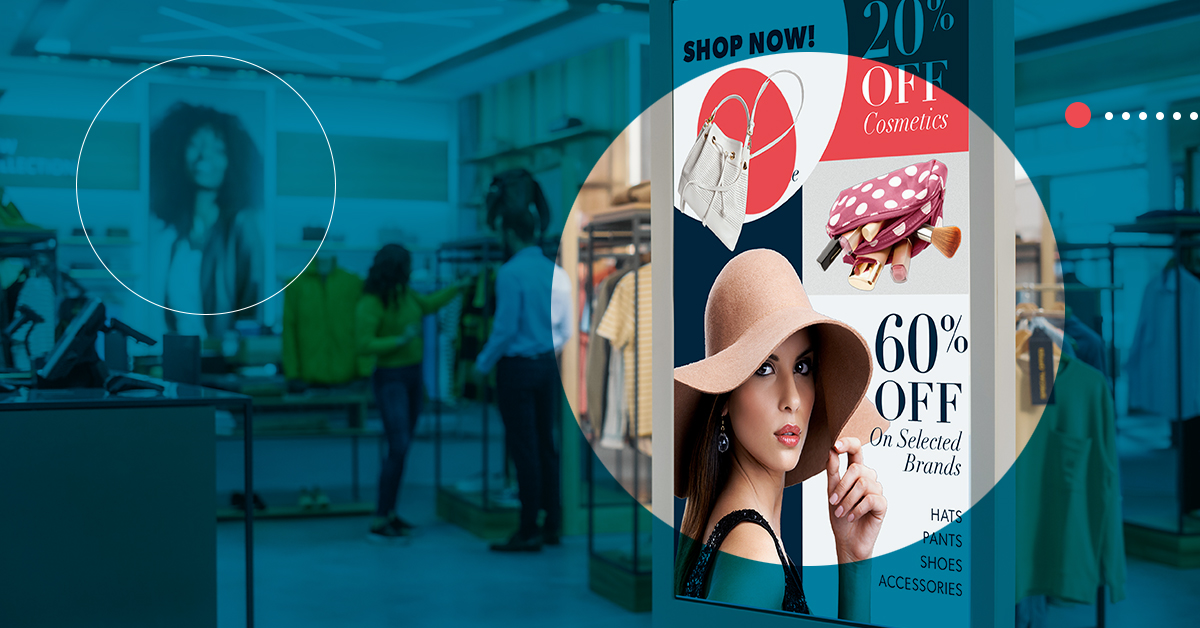
    Window clings and window posters pique curiosity, drawing customers in. Promotional retail signage attracts and entices, and strategically placed product signage can spur unplanned or impulse purchases. When organized and deployed as one cohesive plan, effective product displays throughout a retail space create an environment that engages customers and motivates them to spend time and money in your store.

    Tips for Making Retail Signage Visually Appealing

    Understand Your Customer

    Your retail signage is a conversation that you have with your customer from the moment they enter your space until they make a purchase. Doesn’t it make sense to have a clear idea of who you’re conversing with? This understanding goes beyond the usual demographics like age and income. You want to know if elegant or humorous signage appeals to them or what type of point of sale (POS) signage will influence the shopper to buy more.

    Quality Matters

    Your customers are making snap judgments about the quality of your merchandise and service based on the condition of your retail signage. Customers increasingly expect retailers to use recyclable, sustainable materials for their signage. Using fade-resistant, eco-solvent and UV curable inks adds vibrancy to branding and design that gets the sign noticed. Even temporary signage needed for promotions lasting 6 months or less should be durable and well-crafted.

    Find a Theme

    Building a visual signage strategy around a theme can simplify the choices you make and coordinate the look and feel of your displays. Sometimes architectural details in your space can trigger ideas. Display signage may also be dictated by the shopping season, special sales events, or even popular cultural occasions.

    Use Color to Motivate

    Understanding the effect that the colors used in your displays and how they influence attitudes and actions of your customers will make a big difference in the success of your retail sign strategy. Color psychology has long been a marketing tool for affecting human behavior. In the case of retail signage, it’s usually effective to go with bold and contrasting colors and hues to draw attention and get the message understood.

    Have Fun

    Spice up your visual retail signage with signs that add enjoyment into the shopping experience for your customers. You can create signs out of practically any material and in all sizes. Create encounters for your shoppers that are out of the ordinary to make their time with you memorable. Add elements of interactivity into your displays using WebAR and QR codes to entice customers to spend more time and money in your space then they originally planned.

    Benefit from White Space

    White space helps visual signage appear less cluttered and makes signs easier to read and understand. White makes every color stand out. Use it to draw attention to the most important part of the sign, whether it’s the latest promotion or the call to action (CTA). Remember that people in your retail space are usually on the move, and if your signage is so filled with words and graphics that it’s indecipherable, you’ve missed an opportunity to engage a customer.

    Optimize Lighting

    Don’t overlook the benefits of proper lighting for adding to the visual appeal of your retail signage. Spot lights and track lighting can highlight elements of the signage and decorative lighting can create moods to enhance the look and feel of the overall space. Customers will spend more time when they feel comfortable inside a store, and the perfect blend of lighting and attractive retail signage can lead to happier customers and more sales.

    Make it Interesting

    Shoppers can quickly tire of the same old-same old, especially if your brand is associated with a cutting-edge attitude or your products reflect the latest fashion, technology or cultural trends. Deploy signage where customers aren’t used to seeing it, like a wall mural running the entire length of one wall or a temporary, semi-permanent, or permanent POP display that serves as a speed bump to slow customers down and encourage browsing.

    Keep it Fresh

    Turn your retail space into an entirely new space, at least in terms of visual signage, and treat your customers to a new experience every time they visit. You can always find new products to feature and new themes to explore, and you can use new signage to convey it all. Update signage to adapt to changing buyer habits and tastes, and upgrade print signage with QR codes for a fuller shopper event.

    Promoting Products with Visual Signage

    Promotional retail sign strategies include deploying visually appealing signage that is placed strategically where it can’t be missed. These signs are intended to draw attention and stand out with eye-catching designs and bold, bright colors. Retailers use promotional signage to announce new products or special offers, help shoppers find products, and engage with customers as they move throughout a retail space.

    Promotional Navigation Signage

    The first things your customer will want to know when they enter your retail space is where is the product they came to buy and how do they find it. Navigational signage should immediately capture a shopper’s attention and provide the information customers need to take the next step in their relationship with you. These signs are the initial opportunity to begin making a sale because strategically placed wayfinding signs help shoppers quickly find the right aisle or department and begin filling up their shopping carts.

    There are many types of navigational signage and lots of fun and engaging ways to incorporate branding and promotional messaging to attract attention, create interest, and make shoppers take notice as they move throughout your space. These include wall murals with larger-than-life displays and fun and engaging floor decals that make the shopping experience a memorable one.

    Point of Purchase Promotional Signage

    Point of Purchase (POP) signage displays are a great way to market your merchandise to customers and make shoppers stop and take notice.  POP signs come in all sizes and are versatile, and can be set up on floors, shelves, and countertops. They can be used as impermanent displays, constructed from lighter sustainable materials and easily moved. Temporary POP signage is commonly deployed by retailers during holidays and for seasonal advertising.  Retailers use semi-permanent POP signs for promotions lasting 6 months to a year. They’re made of sturdier materials than temporary POP signage in order to endure the wear and tear of customer contact and staff handling, and are often used as secondary displays or off-shelf displays that can stand up to restocking. Permanent POP displays, while not as everlasting as the name implies, are intended to last for several years, so they are usually constructed of durable materials and can serve as stand-alone kiosks, display cases, or pop-up stores.

    Increasing Sales with Visual Retail Signage

    Retail signage is invaluable for increasing sales and well-placed signs can prompt shoppers into action. Beyond merely attracting attention, retail signs can spur impulse purchases and help customers make a decision by including information like ‘Sale Ends Soon’ to make it feel like they’ll miss out if they don’t make their purchase immediately.

    Complementary Retail Signage

    Wherever you have a big-ticket item on display, consider surrounding it with signage to suggest add-on purchases for products that are practical and add value to that big purchase. Even if the add-on has its own place in the store, reminding and directing shoppers to those products can lead to sales. Use complementary retail signage to inspire what is called an “aspirational” effect for creative displays that tap into emotional, psychological, and cultural elements to create a sense of alignment between the main purchase and accessories.

    Point of Sale Retail Signage

    Point of Sale (POS) signage is concentrated around the checkout area or cashiers with the purpose of enticing a shopper to make one last additional purchase, based almost entirely on impulse. They’re positioned where customers will notice them, usually while waiting in line where they have a few moments to be enticed by sale merchandise or last-second add-ons. POS purchases tend to be small items, usually have low prices and high margins, and often rely on brand recognition and colorful displays to stand out and attract attention.

    Your retail signage is an important component of your overall marketing and merchandising strategy and can transform your retail space into a place that your customers will want to visit and enjoy again and again. Contact a Marketing.com marketing expert today to learn more about how we can help your business connect the dots to create a signage strategy for your retail operation that improves your customer’s experience and increases sales.