Blog

  • Your Guide to Commercial Print Finishes for Your Next Project

    Your Guide to Commercial Print Finishes for Your Next Project

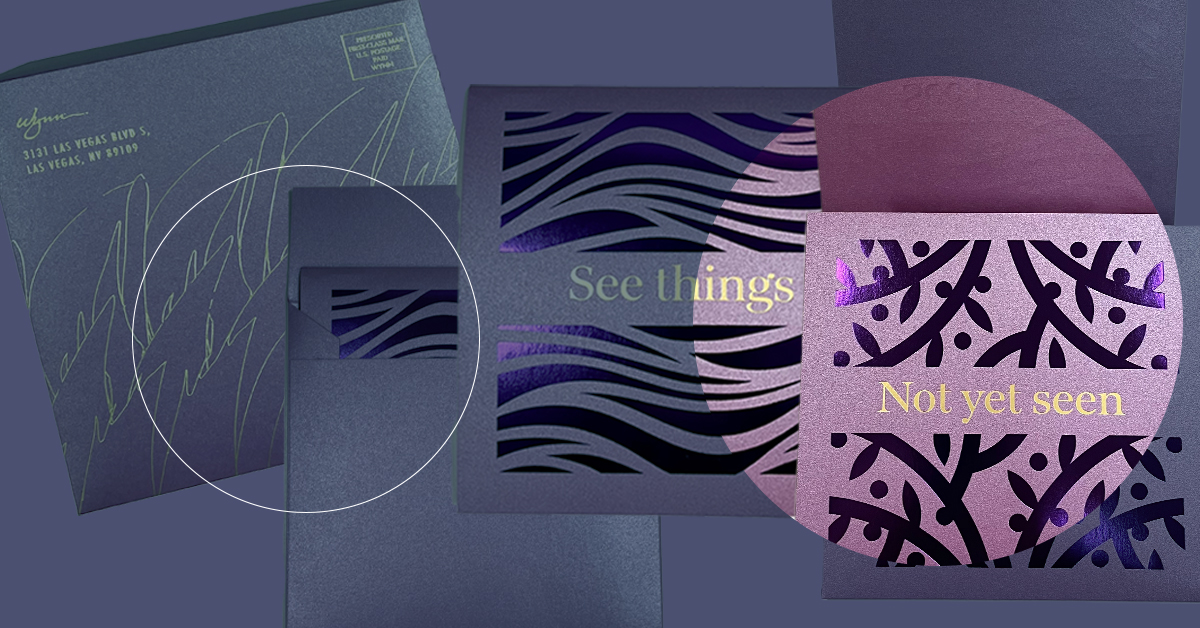
    Selecting the perfect print finishes for your marketing projects is the final and very vital step to creating a memorable and engaging experience for your customers, clients, and prospects. Specialty finishes elevate your print materials to an entirely new level with processes, techniques, and materials that highlight your design, keep it looking great, and catch and hold people’s attention visually, through touch, and even with pleasing scents.

    This brief guide to widely used commercial print finishes and coatings can help you choose the right solution for the greatest impact of your print collateral.

    Varnishing

    As one of the most common and popular finishing techniques for printed material, varnishes are used to protect and preserve and give pages a smooth, uniform feel, just as wood varnishes shield wood surfaces from wear and damage. Varnishes can be glossy, satin, or matte and give printed pieces a modern, sleek appearance. Not only do varnishes add a slight weight to the paper, they are also valued for their ability to prevent smudging, smearing, and fingerprints. A varnish coating can be applied to an entire document or in selective spots.  There are several types of varnishes:

    • Gloss Varnish gives printed surfaces a vibrant look because it reflects light to make colors bright and vivid. Gloss varnish improves the appearance of photos and designs and provides higher contrast between colors.
    • Matte Varnish provides the same smooth, consistent coating as gloss varnish without the shiny and reflective surface. This varnish type softens appearances, which makes it an ideal choice for material that contains small text because matte varnish reduces glare off the page.
    • Silk or Satin Varnish lands somewhere in the middle between gloss and matte varnish in terms of the sheen and provides a nice balance for colors and text.
    • UV Varnish uses an ultraviolet technique to first apply a very glossy liquid coating to the surface of a printed page and then dries the page using ultraviolet light. The product: image-rich printed materials that look stunning and eye-catching. An added benefit is that paper with UV coatings can be recycled. UV varnishes can be applied to the entire printed surface for full coverage, to selected areas or spots to highlight and draw attention to important details (Spot UV varnishing), or provide raised UV coatings that add tactile and dramatic effect to the surface of the page.

    Print varnishes are a popular choice for business cards, Point of Purchase displays, posters, brochures, and flyers.

    Letterpress, also called Debossing

    Letterpress was the earliest method for producing repeated impressions on a sheet or continuous roll of paper. The process delivers high quality by depressing portions of the page to give text or images a vintage look and feel. Letterpress adds a tactile dimension because images and text are not only read, but also felt. Letterpress or debossing is favored for its consistency and ability to print on a wide range of paper regardless of thickness or texture. Letterpress adds a timeless customized elegance look and feel.

    Letterpress is used for book publishing, company logos on corporate stationery and business cards, and to add elegance to invitations.

    Embossing

    Embossing is the opposite of letterpress or debossing and is a print finishing process that raises parts of a printed page for both visual and tactile emphasis. It can give the material a physical depth and produce shadows and highlights on the page to add 3D effects to text and images. It’s ideal for thicker paper and card stock and the dies used to create the embossed effect can be sculpted as single-level, multilevel, or with beveled edges to create memorable impressions. Embossing is commonly used with other finishing techniques like foil stamping or UV lamination to enhance designs with an elegant look and feel that literally makes your message stand out.

    Embossing can be found on cards and envelopes, greeting cards, wedding stationery, books, invitations.

    Die-Cutting and Creasing

    To create printed materials that stand out with customized shapes and forms, die-cutting is a favored finishing option. The procedure is akin to how a pastry-cutter produces cookie and dessert shapes. During this finishing process, a custom piece—called a die—physically cuts shapes into a paper’s design. Die-cutting delivers a tactile element to printed materials and provides the ability to introduce intricate patterns into 2D designs. The same technique used in die-cutting can create page creasing folds or make micro-perforations for easy tearing.

    This technique is commonly used for pocket folders, specialty cuts, , business cards, and brochures.

    Lamination

    When protecting printed material from moisture, repeated handling, and fading, the preferred finishing technique is lamination. Similar in many ways to varnish finishes, lamination gives materials a professional, high-quality look. However, unlike a varnish finish, lamination adds a degree of sturdiness due to its thickness and weight. Lamination can add a glossy, satin, or matte sheen to material and improves the appearance of photos, images, and colorful designs. Laminate coating is typically a thin polypropylene film. AQ (Aqueous Coating) is another option that provides the same result with the added benefit of being water-based and environmentally friendly. 

    Lamination is a popular print finish used for restaurant and bar menus, price lists, maps, educational and training materials, , membership cards and IDs.

    Foil Stamping

    To give printed materials an especially elegant, luxurious look and feel, one of the easiest methods is foil stamping.  It highlights important text and logos with metallics or colored foils. This finishing technique most often requires melding paper and foil with heat and pressure. Next either a die cut or a digital foil fusing process completes the process to create stunning results that have more shine and gloss than metallic inks. Foil stamping is extremely effective for highlighting and adding visual importance and formality to printed material. While silver and gold are used most often, foils are available in assorted shades of color and reflection.

    Some great ways to incorporate foiling into your printing finishes would be creating intricate backgrounds on invitation cards, business stationery, high-end booklets and photo albums, and product labels.

    Thermographic Printing

    Also called Raised-Ink printing, this finishing process is a more affordable version of embossing that builds texture with special ink and powders to result in shiny text or images. Rather than require dies that are pressed into the paper to create an impression, thermographic printing comprises three steps that occur sequentially to achieve the desired look and feel. First, before ink has dried on the paper, a powdered resin coats the sheet, adhering only to the wet ink. Next, the sheet is passed under a vacuum which sucks unused resin off the paper once it has dried. Last, the sheet is passed under a heating unit that melts and causes the ink to rise and complete the process.

    Thermographic printing is commonly used on greeting cards, invitations and business cards.

    Trends in Printing Processes We’re Watching

    Marketing.com is in a constant state of innovation shaped by emerging technologies and evolving practices. Here are three trends we’re monitoring and recommending:

    1. Environmentally friendly print processes and materials will grow in importance as more customers and consumers demand that companies reduce waste, eliminate toxic chemicals, and use materials created from sustainable sources or that can be recycled.
    2. Scented inks that activate the sense of smell are one of the most powerful ways to trigger emotions, evoke memories, and create a more immersive experience for customers and consumers. While it is a familiar tool for marketing health and beauty products, it will find increased use in the hospitality, food and beverage, and other industries because it has been shown to increase consumer engagement and response, generate high recall, and enhance brand image.
    3. Special effects like shimmering and processes using laser cutting are gaining traction as ways to create dramatic effects and unique textured experiences on printed material.  Shimmering uses pearlescent coatings to provide a luxurious appearance. Laser cutting produces high-quality shapes and patterns on a wide variety of paper stock and is a more affordable option to die cutting. These and other innovative practices will continue to evolve and give businesses more options to attract and engage customers.

    When it comes down to separating your business from your competitors, it’s the details that matter. The right print finishing process or technique is the final flourish that makes your marketing and print content impossible to overlook. Innovations and cost-saving efficiencies are providing affordable print finishing solutions that stir the senses and add a layer of beauty and elegance to every printed piece for a memorable experience.

    Contact a Marketing.com print marketing expert today to learn more about how we can help you connect the dots to build stronger relationships with clients and employees through these trends.


  • 5 Trends for Holiday Gift Giving in 2023

    5 Trends for Holiday Gift Giving in 2023

    Holiday corporate giving lets your company or organization show appreciation to your employees and clients in a meaningful way as well as celebrate the year-end with the people who mean the most to your business. The right corporate gift can bring immediate delight and, when well-thought-out, continue to have a lasting value for the recipient long after the gift has been shared. Gifting is an ideal way to strengthen office morale and nurture and deepen relationships with the customers who’ve played a role in your success over the past twelve months.

    Before identifying corporate holiday giving trends in 2023, let’s explore what makes a corporate giving program for both employees and clients successful.

    Creating the Holiday Giving Program

    When developing a corporate giving program, there are two questions to start your gift search: how much to spend and how to make the gift stand out from all the others being exchanged this time of year.

    Budgeting for Holiday Corporate Gift Giving

    Finding thoughtful, sustainable, and memorable holiday corporate gift items, even with limited resources, is not a problem with the large variety of gifting options at different price points. The old axiom ‘it’s the thought that counts’ really is true.  What matters most is that the gift is of good quality. Gifts of food packages that are stale, apparel and swag that falls apart after limited handling, or tech that stops working after a few weeks of use leave a bad impression.

    Making Your Holiday Gift Stand Out

    Year after year gifting requires a creative approach to avoid giving the same-old, same-old. Gift givers should also consider commonly given gift ideas to help your company stand out in the crowd. The ideal corporate holiday gift should two one of two things: should have a high perceived value or be an item that would not typically be purchased but becomes indispensable to the gift receiver (thus keeping your company top of mind).

    After selecting your standout gift, a recommended practice is to use white label branding to personalize gifts with your logo or branding and giving a nod to your company through each use of the item. Another creative approach is to package uniquely paired gifts in themed gift boxes that bundle premium products. This can be especially effective if the products themselves have a special feature that adds extra value. Presentation matters, and sometimes the unboxing experience is one of the most enjoyable parts of getting the gift. The experienced Marketing.com corporate gifting team can help you develop this season’s giving program from concept to professional kitting and shipping services.

    Five Trends for Corporate Holiday Gifting

    There’s a reason so many businesses spend the time, effort, and resources on holiday giving programs each year.  According to a Business.com survey, 46% of corporate professionals admitted that getting year-end gifts from vendors made them more likely to continue working together. In today’s world, with fewer in person business meetings and more employees working remotely, a thoughtful corporate gift enriches relationships with clients.

    Here are five ways business are making their corporate giving programs more memorable and meaningful this year:

    1. Personalize the Gift –Personalized gifts can build deeper connections with your clients. In addition to giving white label products, including personal notes using handwriting software adds a touch of elegance and sincerity to even the simplest of gifts. According to a recent Packed with Purpose survey, personalization was the leading component of success in a gifting strategy.
    2. Stay on Brand – Just because you’re sharing the goodwill of the season, it doesn’t mean you can’t get a little brand promotion from your corporate giving plan. Your gift is not an ad, but it can reflect your corporate values and unique corporate identity. Add your logo to drinkware, backpacks, blankets, umbrellas, and other items that are practical and sure to bring a smile. When approached to participate in a Cartwright & Butler corporate gifting survey, 85% of the respondents reported that their corporate gifting strategy strengthened valuable relationships.
    3. Used a Tiered Giving Approach with Clients – Not all clients are created equal, The Pareto Principle, also known as the 80:20 rule, represents that 80 percent of your revenue is from 20 percent of repeated customers or loyal customers. Pay them a little special attention by creating a multiple gifting tier that sets a gifts based on the number of years they’ve been a client or annual order amounts. According to a Coresight Research study, over 80% of corporate gift buyers said gifts have improved relationships with employees and/or clients, with 48% saying gifting delivered a substantial benefit. 
    4. Make the gift useful –Clients will especially appreciate a holiday gift that makes the workday a little easier. Think about items that help them stay connected with high valued tech, such as earbuds or wireless phone chargers.
    5. Gifts for a Healthier Lifestyle – Corporate gifts that help clients take care of their physical and mental health and create a better work/life balance are becoming increasingly popular. These gifts can include items such as fitness and health trackers that show you care about their well-being and want to help them achieve their fitness goals.

    Not sure where to start with a corporate gift? Marketing.com can help your business on trend with the latest holiday gift giving ideas. Let Marketing.com connect the dots and provide you with the guidance and experience so your corporate giving program runs smoothly and on budget.

  • 5 Ways to Leverage Direct Mail

    5 Ways to Leverage Direct Mail

    Direct mail is one of, if not the, most effective ways to attract attention and business on a local level. However, executing a direct mail brand-to-local marketing strategy for your franchise system can be tough when it’s necessary to take into account and balance the unique needs of several, often diverse, communities of customers in each of the local marketing territories of your franchisees. From list selection, creative localization, printing costs, mailing and measurement scaling, direct mail has been a challenge often leading to a fragmented marketing strategy. In this article we review how franchise systems can leverage direct mail effectively for your franchise network.

    1. Implement content management,  list acquisition, asset management, personalization and ordering through one convenient through-channel management platform 

    Franchises are realizing the tremendous advantage to be had by managing every facet of print and digital marketing with content marketing platforms that help them strategize and coordinate direct mail campaigns. 

    From one user-friendly interface, franchises can manage content distribution and delivery for multiple direct mail campaigns across several locations, maintaining brand and messaging consistency with pinpoint data accuracy. The backbone of every successful direct mail campaign is the mailing list, and management software systems like Marketing.com’s dot platform allow franchises to strategically segment customer data to make sure the direct mail arrives in the hands of the intended audience.

    2. Control Direct Mail Costs with Innovative Print Technologies

    Franchises are capitalizing on the ability to enhance direct mailings with variable print personalization, interactive direct mail and print solutions powered by Augmented Reality (AR), and real-time tracking of delivery and response data. These emerging technologies give them tools to let households connect and engage in marketing and promotional print campaigns through QR codes and personalized website URLs. They also provide benefits through real-time response analysis, which is a rather recent development that has strengthened the impact of direct mail to gauge and adapt campaigns. A study by Beaconstac found that in some cases QR Codes can let companies reduce printing and operational costs by up to 98%.

    As an added bonus, the flexibility to keep content fresh with QR codes and other embedded coding reduces costs and bridges the gap between print and digital channels, turning previously static content into vibrant, interactive messaging. According to DemandGen Report, 88% of marketers said that interactive content is effective in differentiating their brand from their competitors.

    3. Enhance Personalization with On-Demand Printing

    On-demand printing works hand in hand with variable data to customize and personalize each piece of direct mail. It also adds a cost-effective way to keep messaging targeted with quick turn-around scheduling without a sacrifice in print quality. On-demand printing reduces the amount of space local businesses need for storing marketing materials and helps keep materials from becoming outdated with old contact info, addresses, and expired promotions. Relevancy matters to shoppers. According to a joint study by OneSpot and the Marketing Insider Group, nearly 80% of consumers said personally relevant content increases their purchase intent for a brand’s products and services.

    In fact, failing to make direct mail content important to the recipient can actually turn the customer away. That same survey found that nearly half of consumers won’t spend time with branded content if it’s not relevant to their interests. Adding print-on-demand capabilities through an effective content marketing platform lets franchises develop trust with their customers by sharing valuable information that’s needed to make informed decisions. Personalization creates relationships that feel more authentic.

    4. Initiate and Build Franchise Loyalty Programs with Direct Mail

    Direct mail holds tremendous opportunities for franchises to increase the lifetime value of relationships with customers through loyalty programs. The advantages that make direct mail managed with a content management system a valuable tool in a franchise’s marketing toolbox – trust, personalization, relevance, and triggered, print-on-demand flexibility – can lift loyalty program participation and increase revenue. According to Que-it, the top performing loyalty programs boost revenue from customers who use them by 15-25% annually.

    A successful loyalty program is a franchise’s confirmation from their customers that they’re doing things right. Loyal customers want to stay informed, and will share data with a franchise in order to receive discounts and personalized rewards. Best of all, they help franchises control customer acquisition costs. A study by Forbes found that, depending on the industry, it can cost five to seven times more to attract a new customer than to hold on to an existing one.

    5. Strengthen Local Marketing in Real-Time

    Through channel systems that offer direct mail functionality can help you tailor local offerings and communications for your franchise system. They’re able to build upon unique local characteristics to form deeper connections with customers. It’s a matter of meeting the customer where they are, integrating their location and personal data, and creating experiences that reflect the needs, customs, and buying preferences of local audiences.  

    Localized direct mail campaigns take advantage and build on the brand awareness and familiarity created by other local marketing components, like store signage, billboards, and even positive recommendations shared on social media by friends. Franchises use direct mail to get local audiences to take action, whether it’s redeeming a print coupon, scheduling an appointment, or attending a special promotional event. Small Business Trends data found that a significant 62% of people who responded to direct mail made a purchase.

    Innovative print technologies and the ability to easily manage franchise direct mail with through-channel platforms like Dot™ increases the impact that direct mail already makes with customers. Franchises should seize on the benefits of personalization, cost savings, customer loyalty, data optimization, and visibility that make direct mail a valuable component of all omnichannel marketing strategies.

    Contact a Marketing.com franchise marketing expert today to learn more about Dot™, our comprehensive, technology-centered, people-powered platform that seamlessly manages direct mail and omnichannel marketing campaigns and connects the dots across all your franchise marketing channels.

  • New USPS Incentives Help Mail Marketing Industry Lower Mailing Costs

    New USPS Incentives Help Mail Marketing Industry Lower Mailing Costs

    Great news for marketers and direct mailers!

    On September 27, 2023, the Postal Regulatory Commission (PRC) approved the Postal Service request to make Mail Classification Schedule (MCS) changes to establish two distinct Mail growth incentives — a First Class Mail Growth Incentive and a Marketing Mail Growth Incentive.

    The incentives will run concurrently from Jan. 1, 2024 through Dec. 31, 2024 and the Postal Service will issue a 30% postage credit based on the incremental volume in CY 2024 subject to a minimum mailing volume of one million qualifying pieces for the entire incentive period. Postage credits will be issued to qualified Mail Owners after six, nine and twelve months from the start of CY 2024.

    Helping Improve Mailer Return-on-Investment (ROI)

    The purpose behind these initiatives is to drive Mail Owners to increase the volume of First-Class and Marketing mail they send in CY2024 while providing them with lower overall postage costs on incremental growth. The end result is to allow mail owners to maximize their total return on investment by providing additional cost-savings and strengthening the value of mail. Mail Owners, defined as business entities, organizations, or individuals who make business decisions regarding the mail piece content, directly benefit from the mailing, and ultimately pay for postage on the mail piece directly or by way of a mailing agent, can participate in either or both Mail Growth Incentives. However, the incentives cannot be combined for the purposes of reaching the million-piece.

    Mail Owners With Less Than A Million Pieces Welcome to Participate

    The registration period for both incentives will run from November 2023–June 2024 and occur through the Mailing Promotions Portal, which will be made available through the Business Customer Gateway. As part of registration, USPS will provide the Mail Owner with their corresponding baseline volume. The Mail Owner must record their agreement with this baseline volume, and meet these three other conditions to participate in the incentive plan:

    1. The Mail Owner must mail at least one million mail pieces in CY 2024 in the mail class relevant to the incentive (First-Class Mail or Marketing Mail).
    2. The Mail Owner’s CY 2024 volume must exceed their volume in FY 2023.
    3. The mailer must meet registration requirements for these incentives, which include accepting a baseline volume for each incentive determined by the Postal Service.

    Mail Owners with volume mailed of less than a million pieces in FY 2023 can participate. They must grow their volume to at least that baseline before postage credits would begin to accrue.

    Most Marketing Products Eligible

    Registration for each mail class will occur separately, and the corresponding postage credits will be calculated separately. Any Mail Owner who expects to grow volume and have at least one million pieces in CY 2024 will be eligible for the postage credits if they register for these incentives. Qualifying Market Dominant products eligible for the incentive are: First-Class Mail Presort Letters, First-Class Mail Presort Cards, First-Class Mail Presort Flats, USPS Marketing Mail Letters and High Density/Saturation Letters, USPS Marketing Mail Flats and High Density/Saturation Flats, USPS Marketing Mail Carrier Route Letters and Flats, and USPS Marketing Mail and Saturation Parcels. The Marketing Mail Growth Incentive will apply to EDDM Commercial mail, but not to EDDM Retail mail.

    This effort supports the Postal Service’s 10-Year Delivering for America plan to achieve financial stability and service excellence, through bold approaches — working with businesses who rely on the postal system to grow volume and revenue.