Category: Print

  • Key Trends in Print Marketing We’re Watching in 2025

    Key Trends in Print Marketing We’re Watching in 2025

    As we enter 2025, print marketing continues to evolve, blending timeless appeal with modern innovations. At Marketing.com, we’re closely following these key 10 trends that are shaping the future of print.

    https://vimeo.com/1054166967

    1. Personalization Gets Hyper

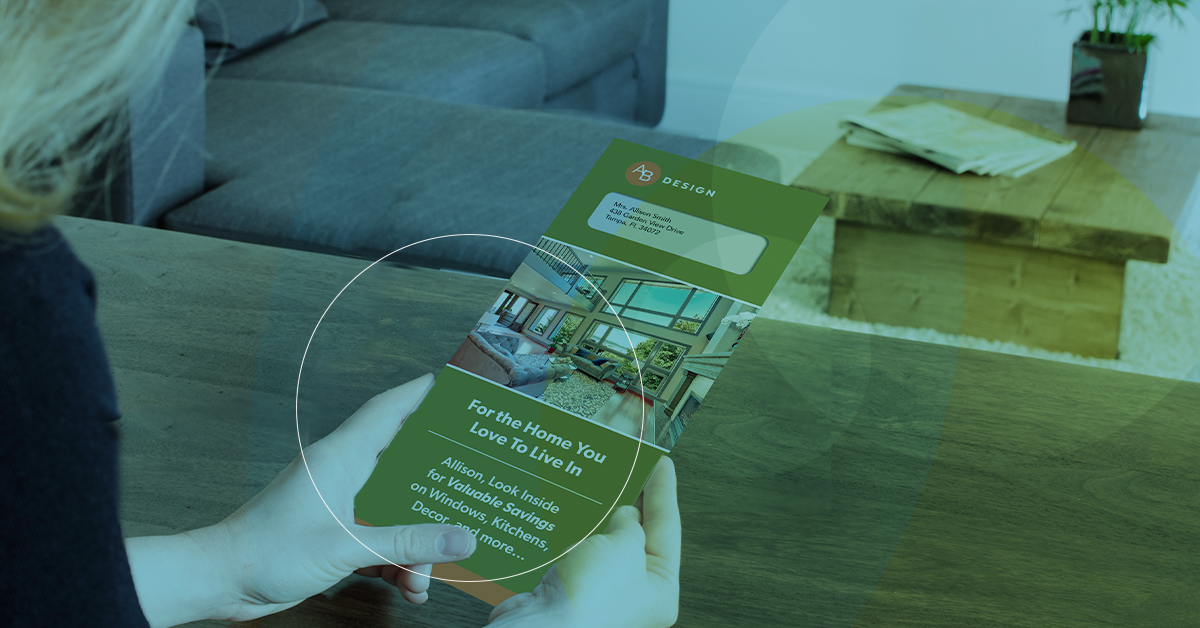
    Businesses are creating hyper-personalized marketing campaigns with a more strategic use of consumer data supported by innovations in variable data printing (VDP). Personalization strategies are moving beyond merely placing names in salutations. With VDP, companies can alter every print piece to include photos and graphics that resonate with demographics and lifestyles of recipients, make purchasing suggestions based on past buying behavior, and produce individualized catalogs that highlight products based on known personal preferences and order history.

    VDP also takes personalization beyond the realm of direct mail. Ecommerce businesses are developing stronger connections with customers by creating unique, customized product packaging that adds fun, distinctive, and memorable elements to unboxing events. Loyalty programs are enhanced when businesses include personal touches with special messaging and rewards that leave a great impression. Local marketing becomes more impactful when content is changed to reflect regional, cultural, or even language preferences.

    2. Eco-Friendly Printing Solutions

    In 2025, brands and marketers will continue to embrace sustainable print practices and turn to eco-friendly, biodegradable materials to reduce waste and meet the increasing demand from environmentally minded consumers.

    Fortunately, it is becoming easier and more affordable for businesses to adopt energy-efficient practices, that include heat-free printing and UV printing technology, and purchase recycled and responsibly sourced paper, card stock, and other substrates. The result is new and innovative printing procedures that use less water and reduce waste, environmentally safe inks derived from natural sources that replace potentially toxic substances, and resources and packaging made from recycled or sustainable materials.

    It’s important that businesses communicate their commitment to sustainable practices to their prospects and customers. Eco-friendly symbols and certifications on packaging and labels can highlight green practices and graphics and images can educate consumers on best disposal methods.

    3. Interactive Print Media and Augmented Reality (AR)

    Consumers are seldom without a smartphone at hand. Brands and businesses have seized on this and are adding interactive elements to print media, like augmented reality (AR), QR codes, and video-in-print technology, bridging the gap between print and digital content when printed images are scanned with a phone’s camera.

    This opens up entirely new opportunities for brands to extend the user experience with 3-D models, animations, and virtual worlds. Integrating interactive print media into product launches lets consumers go behind the scenes to learn how a product was made. Every printed piece can take on an entirely new personality as product catalog pages become virtual dressing rooms or an interactive auto brochure photo leads into an exciting test drive along a scenic route.

    Interactive print media also provides extended shelf life for printed materials. The digital content can be swapped out to change with new promotions or seasonal ad campaigns while the product packaging or direct mail piece remains relevant.

    4. High-Quality, Low-Run Printing with On Demand Printing

    High-quality, low quantity print on demand (POD) capabilities give businesses of all sizes the flexibility to create and distribute marketing materials quickly and offer unique branded merchandise to their customers without upfront inventory investments. POD is an ideal solution for e-commerce businesses that offer custom apparel or accessories and want products printed in small batches or to expand their product range without a significant inventory investment.

    Marketing.com’s e-commerce technology allows a customer to order both virtual (POD Items) and physical (pre-printed and promotional items) items seamlessly within our platform.”

    — John S., General Manager

    POD will also continue to be a resource for highly personalized marketing mailings and corporate gifting, and businesses in the real estate, hospitality, and education sectors use POD for event-specific marketing materials. With high resolution color accuracy and the ability to use POD on a wide range of materials, it’s possible to produce memorable t-shirts, sweatshirts, decorative items, water bottles, and tote bags quickly. When integrated into fulfillment and shipping, POD lets businesses get merchandise out the door and into the hands of their customers faster.

    5. Tactile and Sensory Appeal

    With everything in the marketing world seemingly digital these days, people will continue to treasure the special way printed materials feel to the touch, especially when special coatings, embossing, and textured finishings are used in the print process. Special inks can transmit comforting scents that trigger warm feelings and pop-up elements can add unique and fun 3-D visual appeal to flat surfaces for memorable experiences.

    Tactile elements can also include an assortment of shapes and sizes that make envelopes and postcards stand out in mailboxes and colors that trigger emotional responses. They turn regular pieces of marketing material into sophisticated and luxury engagements that leave lasting impressions.

    6. AI Driven Workflow Automation

    As is the case with many aspects of our lives, AI will grow in importance through the new year in helping print projects become more efficient. AI offers benefits to simplify print workflows and manage all aspects of scheduling, managing inventory, and analyzing processes in real time. The benefits for their customers include improved print quality, faster turnaround times, and the ability to streamline the proofing process to eliminate costly mistakes.

    AI can analyze vast amounts of data quickly and give brands and marketers insights to identify potential cost savings by accurately predicting inventory needs and personalizing messaging and appeal with AI-powered design tools. AI print solutions can predict production flow based on customer behavior to help businesses identify areas of cost optimization that translate to print project cost-saving measures.

    In terms of the finished product, AI delivers consistent color accuracy, precise cutting and folding, and exact applications of ink and coatings that result in reduced waste and let brands adhere to the sustainable operations their customers increasingly demand from them.

    7. Growth in Packaging Solutions

    Business will continue to explore new ways that printed packaging of products can play in creating better customer experiences, both throughout the shopping process and during unboxing events. Integrating emerging smart technologies with print gives them opportunities to engage and educate customers and even provide confidence to consumers that package contents have not been compromised or damaged.

    Brands can include QR codes on packaging that let shoppers access important information and explore products through AR-enhanced product visualization to make more informed decisions. These codes and other interactive print elements make it possible for businesses to show how products are created and share other valuable content without cluttering the package and reducing its visual appeal. E-commerce businesses can personalize packaging with unique designs, messages, and special inserts to add a tactile experience to what up to that point is a purely virtual transaction.

    8. Direct Mail Enhances Local Marketing

    Innovations in print are giving brands and marketers new ways to optimize direct mail campaigns, especially for hyper-local messaging that seizes on advanced data analytics and direct mail friendly USPS promotions.

    Brands are increasingly tailoring messaging and targeting prospects in geographic areas, communities, and even specific neighborhoods determined by demographic and consumer data. They’re able to engage with households using interactive print technologies and with content that is relevant to their needs. As brand direct mail strategies continue to evolve, they’ll have the ability to make every direct mail piece feel more personal and every recipient feel special.

    In 2025, USPS promotions will support brands engaging in local direct mail campaigns that leverage traditional print and digital to increase engagement rates and promote new products. These include the Integrated Promotion, Continuous Contact Promotion, First-Class Mail Advertising Promotion, and Every Door Direct Mail (EDDM) Promotion. 

    9. Increased Focus on Print Data Security

    As cyber threats grow more sophisticated, and government regulatory agencies respond with stricter data security measures, brands and businesses are becoming increasingly vigilant about secure print environments and how they handle private personal data.

    In 2025, new privacy laws will come into effect in several states and more legislation may be one the way, placing a priority on compliance with existing laws and global privacy standards. Among the regulations companies handling private personal data must comply with or face often sever penalties are the General Data Protection Regulation (GDPR), Canada’s Personal Information Protection and Electronic Documents Act (PIPEDA), California Consumer Privacy Act (CCPA), and other US state-specific privacy laws.

    For companies active in the healthcare sector, compliance with the Health Insurance Portability and Accountability Act (HIPAA) and the Health Information Technology for Economic and Clinical Health Act (HITECH) will continue to be necessary to avoid penalties and fines.

    10. Printing Innovations Create Multi-Channel Opportunities

    Print marketing will become even more crucial role for initiating multi-channel marketing campaigns that place the customer experience front and foremost. Print adds tactile and emotional connections to digital and interactive marketing content that people remember and enjoy. It will continue to be a marketing channel that gives digital advertising credibility and that consumers consider trustworthy, and provides tactile, physical experiences that digital alone cannot match.

    Print drives consumers to digital channels through a seamless integration using QR codes or designated URLs while grabbing attention with strategic design and deployment of colors that form emotional connections.

    Print remains a vital component of any multichannel marketing strategy, and by staying ahead of these 2025 print marketing trends, your business can create tangible, meaningful connections in an increasingly digital world. Marketing.com can show you how to connect the dots in your multi-channel marketing and guide you to success. Contact us today.


    During my career over the last 40 years, commercial printing businesses have evolved from being process oriented manufacturers to solution providers. Historically, commercial printers described themselves as sheetfed, web offset, rotogravure, or digital printers. In today’s market customers are buying end-to-end solutions not manufacturing processes. This industry evolution has driven innovation and created exciting opportunities.”

    — John S., General Manager
  • The Role of Envelope Printing in Meeting Security & Compliance Requirements

    The Role of Envelope Printing in Meeting Security & Compliance Requirements

    Many businesses prefer to communicate with their customers through the mail. To do so cost-effectively while avoiding frustrating late deliveries requires an understanding of USPS envelope guidelines. This knowledge can speed up delivery with efficient automated mail handling and presents opportunities for lower mailing rates from USPS programs and promotions. In addition, it may be necessary for businesses to adhere to strict data protection standards in their industry, making compliance to personal privacy requirements vital. Many industries have envelope and other mail handling security guidelines to protect private consumer data. Failure to comply with those industry regulations could result in stiff financial penalties and damage to brand and reputation.

    If your business relies on the postal service to deliver documents containing protected personal information or rely on mailings reaching audiences punctually, here are several reasons why the design, address readability, and bar code formatting on your envelopes matters.

    • Streamlined Automation. The USPS establishes dimensional, aspect ratio, and barcode standards for faster and more accurate processing by automated letter sorting machines. Envelopes that fail to comply will be separated out and metered at full-rate.
    • Postage Discount Opportunities. Even with postage rates set to rise, you can still find ways to keep mailing costs low by using envelopes that comply with USPS mail promotion and incentive program guidelines. These programs can also increase engagement and response rates so fewer envelopes are discarded or go unopened.
    • Timely Delivery. It would be a shame if all the work that went into your mailer goes to waste because mail is delayed. If envelopes fail to comply with standards, bar codes are mislabeled, or addresses can’t be read through envelope windows, you run the risk of having your communications misrouted or held up.

    It’s easy to feel overwhelmed complying to USPS guidelines. You’ve decided on what you’re going to mail and have a good idea of the type of envelope that best suits your purpose. Now you have to make sure that envelope meets size requirements and the regulations pertaining to clear zones for indicia, address, and barcode placement. If you’re planning on using windows envelopes, it’s also important to know the USPS standards for these type of envelopes.

    You can follow these nine guidelines to ensure your business mailing and direct mail adhere to USPS regulations and gets delivered accurately and on time.

    1. Only use envelopes that adhere to USPS size and weight requirements and that can stand up to normal handling and machine sorting.
    2. Follow address placement rules so that the delivery address can easily be read by mail processing equipment.
    3. Correctly place postage and any other necessary postal markings in designated areas only.
    4. Don’t use closure devices that may damage the mail sorting equipment. These include protruding clasps, strings, buttons, or other devices.
    5. If you’re sending product samples through the mail, or intend to include swag or promotional items like pens or coins, follow rules for rigid and odd-shaped items. Mark containers with liquid clearly and include orientation arrows per regulations. The USPS provides some flexibility around the items you can mail, but they must be affixed and wrapped to other content in the envelope.
    6. If you’re including attachments on your envelope, such as labels or stickers, follow guidelines regarding label or sticker thickness, size, and placement.
    7. Ensure that barcodes are properly placed and formatted.
    8. Letter-size reply cards and envelopes that include Business Reply Mail, Courtesy Reply Mail, and other meter reply mail must meet physical standards as enclosures to qualify for special rates. Failure to comply will result in surcharges being assessed.
    9. Stay updated on USPS envelope standards as they change to keep pace with emerging technology and evolve to better serve the mailing needs of businesses.

    Dimensional Requirements

    Your business envelope must meet the following dimensional requirements for the USPS to classify it as a machineable and automated letter.

    Mailer Type Min/Max Height Min/Max Length Clear Zones
    Business and Direct Mail Letter Envelopes Minimum – 3.5”
    Maximum – 6-1/8”
    Minimum – 5”
    Maximum – 11.5”
    Address exhibit area:
    Left: .5” from edge
    Right: .5” from edge
    Top: 2.75” from bottom edge of piece
    Bottom: 5/8” from bottom edge of piece<
    Window Envelope Sizes Standard: 1.125” Standard: 4.5” Standard: Clear space 1/8’ between address block and left and right edges; clear space of 1/25” between top and barcode and address information line.
    Postcard 3.5” 5” On back: 1” blank square for indicia, address, barcode; 3.75” long by 2.25” zone in bottom right-hand corner
    Brochure 3.5” but no larger than 6” when folded 5” long but no larger than 10.5” when folded On back: 1” blank panel on back middle panel; leave 3.75” long by 2.25” high clear zone in bottom right-hand corner
    Booklet/Catalog (must be rectangular) 3.5” but no larger than 6” high 5” but no more than 10.5” long On back: 1” blank panel on back middle page; leave 3.75” long by 2.25” high clear zone top half of booklet

    Compliance with Industry Envelope Guidelines

    Some industries such as finance or healthcare have specific regulations regarding the handling and mailing of sensitive information. Many of these issues are addressed through proper envelope printing and design. If you operate in an industry with strict private personal data handling regulations, failure to follow security envelope best practices can seriously harm the reputation of your company and expose it to risks of fines for data-handling noncompliance.  

    Customized security envelopes protect information with cross-hatched patterns printed inside the envelope to shield sensitive contents from being read when held up to a bright light. Tamper-evident envelopes reveal signs of illegal tampering or opening, and print and fulfillment centers can take extra steps by enclosing items like an addition layer of opaque material around credit cards. You should also use a USPS mail tracking service to monitor the status and delivery of secure communications.

    Of course, if you handle and send personal consumer data, the envelopes you use for your communications are but one, and one of the last, components of security adherence you need to have in place. You must guarantee that personal data is transferred via encrypted networks and stored in high security areas with access protocols established. Equipment and processes should only be maintained and monitored in secure print and fulfillment centers by personnel trained to meet the security policies and procedures of your industry. That means HITRUST certification and HIPAA compliance, SOC2 Type2, ISO 27001 and other industry certifications and safeguards are followed at all times.

    With so much at stake, it makes sense to rely on a professional envelope printing and mailing service that has experience and expertise with USPS regulations and can offer assurances of compliance with industry security frameworks and controls. Marketing.com can help you connect the dots to so your business mailings and envelopes meet USPS guidelines and all of your secure consumer communications are protected and kept industry compliant

  • How to Leverage Printed Envelopes for Direct Mail Campaigns

    How to Leverage Printed Envelopes for Direct Mail Campaigns

    Every detail of your direct mail piece counts. The impression you make starts the moment your prospect receives their mail. It’s crucial to resonate powerfully with an envelope that captivates your audience. motivates them to see what’s inside.

    Did you know that over 42% of Americans look forward to checking their mailbox daily according to Gallup. Your message can stand out with a customized direct mail envelope that compels your audience to discover what is within the envelope.  Don’t overlook the potential of the envelope, as it is often the most underestimated component of your marketing campaign.

    Benefits of Direct Mail

    In an ever-evolving marketing world, three things remain constant regarding direct mail. Direct mail effectively reaches into the households of audiences, delivers exceptional ROI and response rates, and plays a major role in customer retention and long-term value for all types of businesses.  According to the United States Postal Service (USPS), direct mail drives customers to spend 28% more than those who did not receive mail from a business.

    Here are four reasons why consumers enjoy receiving direct mail:

    1. Americans feel more comfortable receiving direct mail in their homes compared to TV advertising, email, and social media. Its popularity reaches across demographics and is not just preferred by baby boomers. According to the USPS, direct mail is read more often than email among all age groups, and 71% of all consumers are excited to discover what the mail brings every day.
    2. Households can hold onto direct mail promotions and keep them where they can be used for future reference. According to the Rochester Institute of Technology, 48% of customers retain direct mail ads on a long-term basis until they’re ready to apply them.
    3. Direct mail feels more personal and lets customers know that they’re valued and appreciated. A recent study revealed that 82% of people are willing to share personal data in exchange for a better customer experience.
    4. People enjoy the look and feel of direct mail and look forward to retrieving and looking through it as part of a daily routine.  A study by Epsilon showed that 77% of people sort through their physical mail as soon as they get it. 

    These benefits show that direct mail remains a cornerstone of effective marketing strategies. Direct mail offers a unique element to campaigns: each element plays a crucial role in the success – starting with the envelope. With the variety of tactics and tools available, it’s easy to overlook the envelope. The envelope serves as the gateway to your message, the first impression your audience receives. Its design, touch and feel, messaging, and overall appeal can significantly impact the recipient’s decision to engage with your content. By paying careful attention to the design and messaging of your envelope, you can elevate your entire campaign, enticing recipients to open, explore, and ultimately respond to your message.

    Why Use Direct Mail Envelopes?

    • You need more space than provided on a single postcard to share your messaging and promotions.
    • You’re exploring opportunities to build upon existing relationships and add intrigue to communications with prospects.
    • You’re appealing to existing customers that appreciate personalization and special attention.
    • You want to attract and hold the awareness of younger prospects with marketing that captures their attention with tangible, non-digital, and engaging printed direct mail.
    • You’re including buckslips, response or donation cards, coupons, a brochure, invitation, promotional product or gift, or a reply envelope with your mailing.

    7 Tips for Leveraging Printed Envelopes into Your Direct Mail Campaigns

    1. Choose the appropriate envelope for the task at hand.
      The size of your direct mail envelope should hold your marketing collateral comfortably, so contents don’t get crumbled, creased or damaged during mailing. Keep budget consideration in mind because while larger envelopes might stand out, they cost more to mail. If you’re taking advantage of USPS direct mail promotions, make sure the envelope size meets their size and weight requirements.
    1. Select finishes that entice recipients.
      Create the response you’re after by using finishes that encourage your prospect to find out more. Soft touch envelopes offer a unique tactile experience that elevates your mailings. With a velvety, smooth texture, these envelopes stand out from standard paper options, leaving a lasting impression on recipients. Beyond their luxurious feel, soft touch envelopes also provide practical benefits. Their durable construction ensures that your mailings withstand the rigors of the postal system, protecting your materials during transit. Additionally, the soft touch finish creates a subtle matte appearance, perfect for enhancing the visual appeal of your branding and messaging.
    1. Create visuals that grab attention and create urgency.
      Your direct mail envelope is the first impression you make on your customer, so add some excitement and intrigue into design elements of your envelope with trailing edge. Trailing edge envelopes offer a practical and efficient solution for mailings, providing several advantages that make them a preferred choice for businesses. One key advantage is their easy accessibility, as the opening flap extends along the entire trailing edge of the envelope, allowing for quick and hassle-free access to the contents inside. Use trailing edge envelope design to create a sense of urgency with brief and compelling call-outs that tease, tantalize and pique curiosity, making the urge to open the envelope irresistible. Make promises of limited time offers, exclusive discounts, and unique opportunities that make your envelope impossible to ignore. Additionally, trailing edge envelopes offer ample space for branding and customization, with the extended flap providing a large area for printing logos, messaging, or other design elements. 
    1. Get personal with variable data printing.
      Don’t wait until your prospect starts reading what’s inside your envelope to begin forging a personal relationship and making your recipients feel more valued. You can add elegant touches to your envelope with variable data printing like a handwritten note or address to encourage your prospect to open your mailer. Placing a customized QR code in your envelope design creates new opportunities to connect with customers across your other marketing channels.
    1. Select direct mail envelopes that are user-friendly.
      Make it easy and effortless for your prospects to open your envelope. Use perforated tear strips or pull tabs that can be located quickly and that tear cleanly. The method of sealing is also important, and options include traditional adhesive and peel-and-seal closures. Avoid frustrating your prospect and protect the envelope’s content with envelopes. If you are sending direct mail that must adhere to HIPAA and other data-protection regulations, it’s also vital that your envelopes do not reveal any personal information beyond name and address of recipient. 
    1. Choose durable, environmentally friendly materials.
      Consider how many times your piece of direct mail will be handled before it reaches the intended household. While most standard envelopes may be suitable for your purposes, you want to make sure the envelope material you select is up to protecting important communications and cannot easily be torn or damaged. Use recycled or biodegradable paper to put your environmentally sustainable practices on display and tell your customers that you value eco-friendly processes by printing sustainability symbols on your envelope.
    1. Partner with an experienced direct mail print company.
      The look and feel of your direct mail envelope, as well as the appearance of your enclosed materials, impact the success of your direct mail campaign. Find an experienced direct mail partner who shares your commitment to quality and can create custom solutions to optimize the performance of your campaign. Trust a print partner who will provide a seamless experience from design to kitting and fulfillment to finding affordable solutions to control costs and boost engagement with your prospects.

    Types of Direct Mail Envelopes


    • Standard envelopes are the most common type, available in various sizes and suitable for general correspondence.

    • Custom windows and specialty die-cutting envelopes feature unique window designs or intricate die-cut shapes, ideal for showcasing branding elements or adding visual interest to mailings.

    • Catalog and booklet envelopes are larger and sturdier, perfect for mailing bulky items such as catalogs, booklets, or reports.

    • Remittance envelopes, often used for fundraising or payment collection, include a built-in response form or envelope flap for easy return.

    • Security tints add an extra layer of confidentiality by concealing the contents of the envelope.

    • Bangtail envelopes feature a perforated tab that can be torn off for easy opening, while Glassine envelopes, made from translucent paper, offer a delicate and elegant presentation, commonly used for invitations or special announcements.

    Don’t underestimate the ability of eye-catching direct mail envelopes to build excitement and anticipation with your prospects and increase the open rates of your direct mail. The envelope you select and create will set the tone for your entire direct mail campaign and the impression you make could be the start of a long relationship. Marketing.com can help you connect the dots at every stage of your direct mail campaigns, beginning with the very important direct mail envelope.

  • Comprehensive Guide to Choosing The Right Commercial Printer

    Comprehensive Guide to Choosing The Right Commercial Printer

    Your business has a lot riding on the outcome of your commercial print projects. Every detail matters when presenting your business to your audience. Businesses need a commercial print partner that can take the valuable time and money spent on your project, planning, and design to produce high-quality final products that make the difference in the way your customers perceive you. Beyond simply providing printed material, building a partnership with your commercial printer offers a long-term strategic and collaborative relationship that can provide valuable insights, recommendations, and support that drive success for your business.

    Securing a partner with a G7certified commercial print location means less stress about the quality and look of your printed material.  In the long run, a strong relationship with an experienced print shop will continue to save you money, reduce risk, and help your projects run smoothly.

    Before we share steps you can take to find a commercial printer, here are a few reasons why relying on a commercial printer can help drive success for your business:

    1. Gain From Print Industry Expertise
      A key to a successful project is using a trusted commercial printer that provides expertise when planning and producing your printed material. They’ll be able to spot potential problems before they arise, and even help you avoid mistakes altogether. Working with an experienced print shop lets you concentrate on the artwork and design elements while they handle making the final product look and feel exactly as you intended.
    1. Improve Efficiency
      It’s likely you have more than one print project to manage throughout the year, whether you require signs for seasonal promotions, envelopes or labels, banners for trade shows and conventions, constantly changing retail promotions, direct mail campaigns, or marketing materials. A good commercial printer has the technology and experience to find cost savings through effective inventory management, high speed production, and print on demand (POD) capabilities. As your relationship grows, a good commercial printer can come to anticipate your needs and scheduling requirements.
    1. Speed and Convenience
      It’s convenient to have a local commercial printer that you trust when emergencies arise, or last-minute projects need to look great and be produced quickly. Commercial printers, like Marketing.com, can also handle many facets of the print process and help you streamline everything from design to distribution in one print shop. Through-channel marketing platforms let you quickly share files with your printer to cut down on additional steps in the process. A print shop that provides print on demand (POD) is always prepared to react quickly and support targeted marketing campaigns.
    1. Avoid Costly Mistakes
      If you lack experience managing large print projects, it can be easy to make a mistake throughout the process of selecting the right materials, substrates, and finishes, keeping inks and colors consistent, handling multiple design files, or making sure they’re in the right format. Post-production, inventory must be managed, maintained, and protected from damage – and ready to ship whenever needed. Instead of trying to do it on your own, a professional printer can streamline the entire process.
    1. Use the Right Materials
      The feel of your commercially printed material can be every bit as important as the look. With a variety of paper stocks, a commercial printer can find the right solution to fit your business and impart the image you want to project to your customers. They’ll help you locate sustainable materials that are durable as well as inks, substrates, and finishes that are eco-friendly. Utilizing the right materials allows your printed products to make a difference in the way your customers and prospects see you.
    1. Stay Current on the Latest Industry Trends
      Working with an experienced commercial printer brings you the opportunity to capitalize on the latest innovations and print capabilities. Applying industry trends adds unique and memorable elements to your print material by integrating digital experiences. Including a printed QR code on direct mail, product packaging, labels, and signs can help you generate more website traffic or send customers to personalized landing pages.
    1. Reduce Unnecessary Spending
      Utilizing a commercial printer eliminates your efforts to purchase production materials to coincide with marketing needs. Commercial printers offer a solution so that your campaigns are quickly accessible and ready. Not only do they secure better prices and have material readily available, but they also have capabilities to inventory or warehouse your project – removing your cluttered office space. Many commercial printers help you access better direct mail rates through USPS promotions and offer other cost savings efficiencies with kitting and fulfillment services.
    1. Limit Risk
      Accidents happen, merchandise gets damaged, supply chains temporarily break. You can limit the disruptions they may cause to your day to day when you work with a commercial printer. An experienced printer, like Marketing.com, can help you catch problems through quality control procedures to inspect design files and materials throughout each production stage. Using ISO standard quality practices, G7 certified printers can spot errors that might arise from print quality or color variances that could result in printing delays.
    1. An Invested Partnership
      Commercial printers only look good if the product they deliver reflects their craftsmanship and professionalism. A print partner who knows your business inside and out can offer tailored solutions that meet your unique needs. Over time, as they become intimately familiar with your processes, goals, and challenges, they can provide suggestions and recommendations that streamline operations and improve outcomes. partnering with a trusted vendor can lead to innovation and continuous improvement. This partnership creates an environment where new ideas are welcomed and implemented for the success of your project.

    How To Find the Right Commercial Printer For You

    More than providing print services, a commercial printer should be a trusted vendor and strategic partner, Here are key points to take into consideration when choosing the commercial printer for your project:

    What Kind of Expertise Do They Have?

    Do they have experience working in your industry vertical, whether it’s healthcare, hospitality, franchise, finance, non-profit, retail, or education?  Commercial printers that serve your industry are intimately aware of trends and best practices that may be unique to your space.

    What Services Are Offered?

    Does the print shop offer offset printing, digital printing, variable data printing, and POD? Can they print wide-format for your banners, wallscapes, or billboards? Do they provide finishing services in-house? It’s important that your commercial printer can deliver the type of printing services you require. It can also be a benefit if your commercial printer can provide direct mail services and kitting and fulfillment. Working with a printer like Marketing.com that provides all services under one roof eliminates the need for multiple vendors and transit cost and time between services, as well as provides a single point of contact that is closely aware of all your projects.

    Is Their Work Quality?

    You can ask for samples to help you choose which company meets your needs. Inspect the products produced by the print shop, especially pieces that you’ll be using in your marketing campaigns. Is the printer G7 certified to maintain color accuracy and resolution with images and designs? Discuss quality procedures that occur at each step in the production process.  

    How Do You Communicate with their Customer Service Team?

    There can be a lot of moving parts to manage in your print projects and the relationship with your printer could involve many stages of review and revision. It’s important to find a commercial printer who has standards as high as yours, is responsive to your inquiries, and provides timely and useful communication throughout the project. You want a commercial printer that solves problems, and not create them.

    Is Their Pricing Competitive?

    Cost, although important, is only one factor that should go into your decision on which commercial printer to work with. What’s most important is that your business is getting value for its money. Will the print shop also include services like folding, die-cutting, or laminating without adding costs? Make sure that printers’ quotes are based on the same paper grades, inks, and finishes to prevent lower-quality materials from affecting bids. Identify what’s most important to you, and focus on finding a commercial printer who fills those needs affordably.

    Can You Count On Them?

    Find a commercial printer who fits the needs of your business and can accommodate the requirements for all your different projects. Utilizing a commercial printer with multiple locations, like Marketing.com, allows you to experience the best of two worlds: you can take advantage of the buying power and vast capabilities of a large company, as well as have the local presence of a production facility and team members in your neighborhood.

    Are Security Protocols in Place?

    If protecting sensitive data is a priority for your business or your clients, it’s vital to find a commercial printer that maintains security protocols, compliance, and certifications such as HIPAA, HITRUST, SOC 2 Type 1, or ISO 27001. Look for a print shop that has knowledge of the federal and state regulations, or GPO Level 1 certifications as well as standards specific to your industry. It’s important that the confidentiality of your data is secure through every phase of the production workflow.

    Are They Eco-Friendly?

    At some point, your print collateral will need to be recycled. Environmental and sustainable practices matter to customers. Working with a commercial printer that adequately recycles waste, and offers sustainable stock and substrate options can make an impact with your customers.

    Beyond providing printed material, developing a partnership with your commercial printer establishes a long-term strategic and collaborative relationship. This relationship offers invaluable insights, recommendations, and support that contribute to your overall success. With their expertise and guidance, you can navigate the intricacies of print projects more efficiently and effectively, ensuring that each piece reflects your brand’s values and resonates with your target audience. Marketing.com can help you connect the dots to find the ideal commercial printer to meet all of your print marketing requirements regardless of where your business is located.