Author: Andrea Golindano

  • Visual Merchandising with Signage: Enhancing Product Displays for Maximum Impact

    Visual Merchandising with Signage: Enhancing Product Displays for Maximum Impact

    When your visual retail signage strategy is working for you, customers move fluidly from first impressions to checkout – or adding one last impulse item to the cart before they pay.  

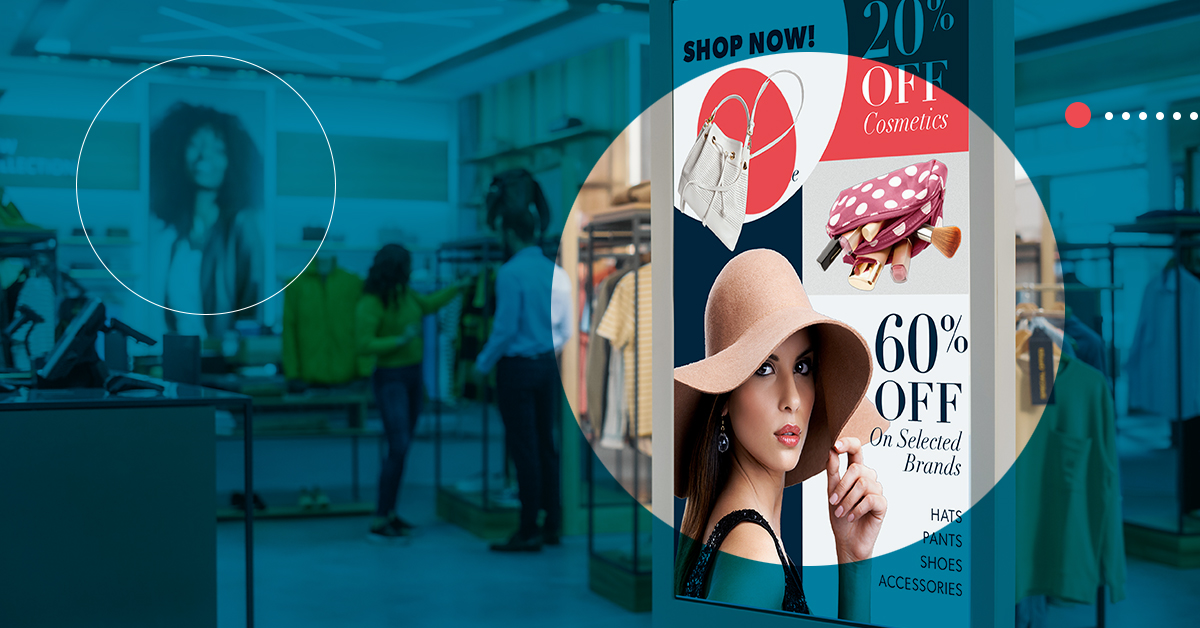
    Window clings and window posters pique curiosity, drawing customers in. Promotional retail signage attracts and entices, and strategically placed product signage can spur unplanned or impulse purchases. When organized and deployed as one cohesive plan, effective product displays throughout a retail space create an environment that engages customers and motivates them to spend time and money in your store.

    Tips for Making Retail Signage Visually Appealing

    Understand Your Customer

    Your retail signage is a conversation that you have with your customer from the moment they enter your space until they make a purchase. Doesn’t it make sense to have a clear idea of who you’re conversing with? This understanding goes beyond the usual demographics like age and income. You want to know if elegant or humorous signage appeals to them or what type of point of sale (POS) signage will influence the shopper to buy more.

    Quality Matters

    Your customers are making snap judgments about the quality of your merchandise and service based on the condition of your retail signage. Customers increasingly expect retailers to use recyclable, sustainable materials for their signage. Using fade-resistant, eco-solvent and UV curable inks adds vibrancy to branding and design that gets the sign noticed. Even temporary signage needed for promotions lasting 6 months or less should be durable and well-crafted.

    Find a Theme

    Building a visual signage strategy around a theme can simplify the choices you make and coordinate the look and feel of your displays. Sometimes architectural details in your space can trigger ideas. Display signage may also be dictated by the shopping season, special sales events, or even popular cultural occasions.

    Use Color to Motivate

    Understanding the effect that the colors used in your displays and how they influence attitudes and actions of your customers will make a big difference in the success of your retail sign strategy. Color psychology has long been a marketing tool for affecting human behavior. In the case of retail signage, it’s usually effective to go with bold and contrasting colors and hues to draw attention and get the message understood.

    Have Fun

    Spice up your visual retail signage with signs that add enjoyment into the shopping experience for your customers. You can create signs out of practically any material and in all sizes. Create encounters for your shoppers that are out of the ordinary to make their time with you memorable. Add elements of interactivity into your displays using WebAR and QR codes to entice customers to spend more time and money in your space then they originally planned.

    Benefit from White Space

    White space helps visual signage appear less cluttered and makes signs easier to read and understand. White makes every color stand out. Use it to draw attention to the most important part of the sign, whether it’s the latest promotion or the call to action (CTA). Remember that people in your retail space are usually on the move, and if your signage is so filled with words and graphics that it’s indecipherable, you’ve missed an opportunity to engage a customer.

    Optimize Lighting

    Don’t overlook the benefits of proper lighting for adding to the visual appeal of your retail signage. Spot lights and track lighting can highlight elements of the signage and decorative lighting can create moods to enhance the look and feel of the overall space. Customers will spend more time when they feel comfortable inside a store, and the perfect blend of lighting and attractive retail signage can lead to happier customers and more sales.

    Make it Interesting

    Shoppers can quickly tire of the same old-same old, especially if your brand is associated with a cutting-edge attitude or your products reflect the latest fashion, technology or cultural trends. Deploy signage where customers aren’t used to seeing it, like a wall mural running the entire length of one wall or a temporary, semi-permanent, or permanent POP display that serves as a speed bump to slow customers down and encourage browsing.

    Keep it Fresh

    Turn your retail space into an entirely new space, at least in terms of visual signage, and treat your customers to a new experience every time they visit. You can always find new products to feature and new themes to explore, and you can use new signage to convey it all. Update signage to adapt to changing buyer habits and tastes, and upgrade print signage with QR codes for a fuller shopper event.

    Promoting Products with Visual Signage

    Promotional retail sign strategies include deploying visually appealing signage that is placed strategically where it can’t be missed. These signs are intended to draw attention and stand out with eye-catching designs and bold, bright colors. Retailers use promotional signage to announce new products or special offers, help shoppers find products, and engage with customers as they move throughout a retail space.

    Promotional Navigation Signage

    The first things your customer will want to know when they enter your retail space is where is the product they came to buy and how do they find it. Navigational signage should immediately capture a shopper’s attention and provide the information customers need to take the next step in their relationship with you. These signs are the initial opportunity to begin making a sale because strategically placed wayfinding signs help shoppers quickly find the right aisle or department and begin filling up their shopping carts.

    There are many types of navigational signage and lots of fun and engaging ways to incorporate branding and promotional messaging to attract attention, create interest, and make shoppers take notice as they move throughout your space. These include wall murals with larger-than-life displays and fun and engaging floor decals that make the shopping experience a memorable one.

    Point of Purchase Promotional Signage

    Point of Purchase (POP) signage displays are a great way to market your merchandise to customers and make shoppers stop and take notice.  POP signs come in all sizes and are versatile, and can be set up on floors, shelves, and countertops. They can be used as impermanent displays, constructed from lighter sustainable materials and easily moved. Temporary POP signage is commonly deployed by retailers during holidays and for seasonal advertising.  Retailers use semi-permanent POP signs for promotions lasting 6 months to a year. They’re made of sturdier materials than temporary POP signage in order to endure the wear and tear of customer contact and staff handling, and are often used as secondary displays or off-shelf displays that can stand up to restocking. Permanent POP displays, while not as everlasting as the name implies, are intended to last for several years, so they are usually constructed of durable materials and can serve as stand-alone kiosks, display cases, or pop-up stores.

    Increasing Sales with Visual Retail Signage

    Retail signage is invaluable for increasing sales and well-placed signs can prompt shoppers into action. Beyond merely attracting attention, retail signs can spur impulse purchases and help customers make a decision by including information like ‘Sale Ends Soon’ to make it feel like they’ll miss out if they don’t make their purchase immediately.

    Complementary Retail Signage

    Wherever you have a big-ticket item on display, consider surrounding it with signage to suggest add-on purchases for products that are practical and add value to that big purchase. Even if the add-on has its own place in the store, reminding and directing shoppers to those products can lead to sales. Use complementary retail signage to inspire what is called an “aspirational” effect for creative displays that tap into emotional, psychological, and cultural elements to create a sense of alignment between the main purchase and accessories.

    Point of Sale Retail Signage

    Point of Sale (POS) signage is concentrated around the checkout area or cashiers with the purpose of enticing a shopper to make one last additional purchase, based almost entirely on impulse. They’re positioned where customers will notice them, usually while waiting in line where they have a few moments to be enticed by sale merchandise or last-second add-ons. POS purchases tend to be small items, usually have low prices and high margins, and often rely on brand recognition and colorful displays to stand out and attract attention.

    Your retail signage is an important component of your overall marketing and merchandising strategy and can transform your retail space into a place that your customers will want to visit and enjoy again and again. Contact a Marketing.com marketing expert today to learn more about how we can help your business connect the dots to create a signage strategy for your retail operation that improves your customer’s experience and increases sales.


  • Customer-Centric Loyalty Gifting Program: A Step-by-Step Guide

    Customer-Centric Loyalty Gifting Program: A Step-by-Step Guide

    The most treasured customer is a loyal one. Loyalty often translates into frequency, and more frequent interactions lead to more sales and increased revenue. However, to keep customers engaged and loyal requires planning, work, and vigilance to stay ahead of the competition, who more likely than not have loyalty programs of their own.

    If you’re business is just starting down the path of creating a gifting loyalty program or you’re unsatisfied with the results you’re getting from your current program, this guide can help you boost brand loyalty through a well-planned and managed gifting loyalty program.

    Important Gifting Loyalty Program Considerations

    Companies with successful loyalty gifting programs excel in three areas: understanding the behaviors and motivations of their customers; personalizing the gifting program so that customers find value in every gift; and keeping the program relevant to the expectations of their customers.

    When creating your loyalty gifting program you should already have the advantage that comes from knowing the people who consistently support your business. They have shown a willingness to spend money on your products or services. The next, and most important step is to use the information you’ve gathered from them to create a loyalty program that offers a unique experience, delivers ease of access with no complications, regardless of device, and makes them feel special and appreciated.

    Loyal customers tend to fall into one of two categories: those who have established patterns and behaviors that you can track by analyzing the frequency of interactions, what they purchase, and how much they spend; and others with whom you’ve established a level of trust and community and who have formed an emotional attachment to your brand. The ideal loyalty gifting program will have the following characteristics to attract customers from both camps:

    • Make it easy to participate from day one. If your customers find your loyalty gifting program too difficult to sign up for or you run them through hoops to claim rewards, you not only will have limited participation in your program, but you also risk alienating the customers who are your most cherished patrons.
    • Integrate it into the user experience. Your customer’s ability to enjoy your loyalty gifting program should mirror the way they shop and make purchasing decisions. The entire process, from sign up to reward redemption, should be seamless and part of your customer’s journey regardless of the device they’re using or their location.
    • Make it relevant. You have a wide variety of gifts and rewards that fit into any budget to offer your loyalty program members. Focus on your customers with gifts that make them feel special. Aim for fashion and function with gifts of high quality that become part of your loyalty program member’s lifestyle.
    • Make it exclusive. Give your gifting loyalty program members perks that aren’t available to everyone. Even at the most basic level or tier, they should be recognized with a tangible expression of your gratitude. A tiered loyalty program gives members incentives to pursue higher-valued gifts through increased engagement and encourages regular customers to sign up for the same special treatment.

    Planning Your Loyalty Program

    The following steps can help you develop and maintain an effective gifting loyalty program that establishes a positive impression of your business at every interaction and keeps customers happy and coming back.

    Define Goals

    Approach your gifting loyalty program as you would any other marketing effort by first deciding why you’re doing it. Just because your competitors have one isn’t enough justification. Determine whether you want to increase the long-term value of marketing spend, spread brand awareness, create a strong referral community, increase order volume, or drive customer spending. Your gifting loyalty program can also be a great way to gather insightful data throughout the customer journey.

    Determine Audience

    Get a firm grasp on what motivates your customers to spend their money on your goods or services and focus your efforts on forming closer and deeper relationships with that knowledge. Customers recognize and appreciate when the businesses they frequent pay attention to their needs and are engaged with building a better experience for them. The gifts you offer should matter to the customer in some way because they are more than just items you’re giving away. The gift should be a reflection of the importance you place on your customers’ business.

    Personalize Rewards

    In a successful gifting loyalty program, personalization means more than just adding a customer’s name to a gift. To make your program successful, make it a priority to personalize not only the gift but also the entire experience for your customers. You can track their behavior to understand both what type of gift will make a difference to members and keep them engaged with reminders and special offers that only they can enjoy.

    Determine Structure and Incentives

    While there are many ways to boost brand loyalty through a gifting program, all share the same objectives: reward your most loyal customers, offer incentives to keep them returning, and gain a greater understanding of their behavior to keep them as customers. Gift tiers based on point totals is one popular structure to reward members for purchases and program participation. Keep the rules simple and uncomplicated to prevent frustrations when joining or redeeming, and make levels attainable and attractive to increase participation.

    Market and Attract Members

    Promote your loyalty gifting program everywhere and every time customers visit your place of business or connect with you online. Strategically place marketing material or use QR codes at points of purchase or on packaging. Invite customers to sign up when they visit your website. Make it standard practice to remind customers about the benefits of membership in every email. Remember that your current gifting program members are your best ambassadors so encourage and reward them for social channel referrals.

    Monitor and Manage Your Program

    Keeping your loyalty program fresh and effective requires diligence at every touchpoint of your member’s engagement. Innovations in SaaS gifting loyalty program platforms are making it easier to monitor and manage programs through user-friendly interfaces that track engagements and seamlessly coordinate redemptions. They can track inventory and provide feedback for continued improvement. There are many moving parts to a gifting loyalty program. It helps to have program management professionals working alongside you from loyalty plan concept to gift shipping and delivery.

    Find a Gifting Loyalty Program Fulfillment Partner

    At some point, your gifting loyalty program will require the services of an experienced, qualified, and reliable kitting and fulfillment partner. A misstep here can erode all the goodwill you’ve established with your program members if the gift they receive is not the one they expected, it arrives damaged, or takes forever to arrive. Among the services you should expect your fulfillment partner to cover are pick and pack speed and accuracy, multiple distribution points and strategic locations, and warehousing and inventory management. The ideal partner can also provide custom gifting boxes and innovative solutions to integrate seamlessly with e-commerce platforms. They should also offer flexibility to accommodate growth and efficient operation during peak season demand.

    One of the easiest ways to distinguish your business in the hearts and minds of your customers is with a well-run, streamlined gifting loyalty program. According to Merkle’s 2022 Loyalty Barometer Report, 79% of consumers are more likely to do business with a brand because of its loyalty program, and 91% have earned or redeemed a reward in the past six months. Studies have proven that it costs less to keep an existing customer than to attract a new one and a gifting loyalty program is one of the most successful ways to hold on to the customers you have.

    Contact a Marketing.com marketing expert today to learn more about how we can help your business connect the dots to build stronger and longer-term relationships through a gifting loyalty program. 

  • What is a Wayfinding System and What’s the Best Way to Create One?

    What is a Wayfinding System and What’s the Best Way to Create One?

    For many people, especially first-time customers, patients, guests, and visitors, your hospitality or healthcare property, airport, business center, or college campus can be an intimidating place. Without good wayfinding signage, it’s easy for them to be become lost or confused when trying to find their way around, which leads to a level of unnecessary frustration and anxiety.

    It’s crucial to prioritize the development of an exterior and interior environment that immediately makes them feel comfortable and valued. Beyond merely posting signs, your wayfinding strategy is an opportunity to create a positive first impression and actively contribute to enhancing the overall experience at your location.

    Uses for Wayfinding Signage

    There are five general uses for wayfinding signs: Information, Direction, Identification, Safety/Regulatory, and Americans with Disabilities Act (ADA) compliance. Each has a distinct purpose. Every successful wayfinding strategy deploys more than one along the paths their audience travels:

    • Identification Signage lets people know they’ve arrived at their destination. Signs should be easy to read at a distance and have colors that attract attention and stand out from the surrounding environment. 
    • Information Signage offers details that help people distinguish areas throughout a space. This signage should be kept brief and help visitors, customers, guests, and others find answers to common questions beginning with “Where is the …?” or “How do I get to the …?”
    • Directional Signage moves people from Point A to Point B efficiently and intuitively. It provides clear guidance that helps people navigate through unfamiliar places and keep traffic flowing at key decision points along their course.
    • Safety/Regulatory Signage reinforces safety standards and should leave no room for doubt that approached areas have restrictions on entry or approach. These signs also indicate acceptable behavior and standards and should be clearly visible to avoid misunderstandings.
    • ADA signage provides individuals with visual impairments information they need to easily move throughout spaces using signage that is crafted to address their needs. This signage helps identify permanent rooms or locations, offers directional informational, and indicates accessibility features.

    6 Steps to Effective Wayfinding

    1. Start with a Plan

    Know your customer, patient, or guest well and coordinate wayfinding signage from their perspective. Should they turn right or left? How much time do they need to make a decision? Are the signs easy to read? Most importantly, does your wayfinding signage work together to guide your audience to and from their destination with clearly defined signs every step of their way?

    Consider all the locations and places where they would ask your staff for directions. This would include parking lots on business centers, campuses, and healthcare properties, in lobbies and high-traffic areas, along corridors, or at hallway junctions. 

    2. Keep it Simple

    Keep in mind that your audience is most likely on the move, so don’t give them several choices to consider. Be direct and relevant with your wayfinding signage, with a focus on making text easily readable and using iconic directional symbols to minimize language confusion. Just give your audience the facts they need to make informed decisions as they travel about your property and throughout your building.

    Digital directional signs and information kiosks can provide extra dimensions to wayfinding and add elements of interactivity into the guest and visitor experience.

    3. Stay on Brand

    Consistency in brand colors and fonts makes a big difference in breeding familiarity and comfort when people are in new surroundings. Use graphic elements that reinforce your brand and use signage that reflects the unique personality of your business. Include recognizable logos and images only if they do not distract from the message you want to communicate or make the signage difficult to read.

    Effectively weaving brand elements into signage can be a challenge, and keeping a balance between form and function is always a priority, with the later being the primary concern. When that balance is established, audiences will confidently navigate your space and associate your brand with success.

    4. Location Really Matters

    Your wayfinding signage will be of little value to your audience if it’s not positioned where it can easily be seen and is not placed where it provides the information needed at that point. Signs should be visible with no obstructions. For large areas with multiple buildings consistency in placement matters, but color-coding and fun designs can help distinguish locations and create a sense of community and identity across large campuses, airports, business centers, hospitality properties, or hospitals.

    The size of your sign will depend upon where you’ll be setting it up and the distance from which it will be seen. It’s optimal that it be placed at a height where viewing is easy and where it stands apart from its environment.

    5. Be Creative

    In many settings such as in hospitals or airports, a key goal of your wayfinding signage strategy is giving your patients or customers the most stress-free experience possible. However, that doesn’t mean you can’t have fun. There are lots of ways to show off your brand on walls, ceilings, floors, elevators doors, and with digital displays that make the time people spend at your location unique and memorable.

    You can also get creative with the shapes and sizes of your wayfinding signage to spruce up otherwise boring waiting rooms, airport terminals, hotel lobbies, and convention halls.

    6. Use Architecture, Landscaping, and Landmarks

    Use memorable, unique, or noticeable features of your building and property to create especially distinct wayfinding signage. When you incorporate recognizable points of reference into your wayfinding, you make it easier for audiences to establish a detail of orientation from which to base decisions. It’s possible to use landscaping and landmarks like fountains, statues, or other structures to serve as the focus of layout, establish a visual identity, and showcase locations on maps and directories. Incorporating wayfinding signage into existing structures, lets you create a more holistic experience that reinforces connections between spaces and the movement of your audience.

    Conclusion

    When your customers, patients, guests, students and visitors arrive at your location, they have one objective: to get where they came to go. The choices you make with your wayfinding signage strategy can make sure they get there without stress and feeling welcome.

  • Top 8 Healthcare Marketing Trends for 2024

    Top 8 Healthcare Marketing Trends for 2024

    Healthcare marketing is constantly evolving, with changes driven by technology, patient behavior, and demands, and, of course, by legislation enacted to protect patient confidentiality and health information. It’s important for healthcare organizations to stay aware of the latest trends influencing ways to attract new patients and strengthen existing relationships in order to stay relevant, establish trust, and increase revenue.

    Here are eight trends impacting healthcare marketing today.

    1. AI Driving Personalization in Healthcare Marketing

    Marketing professionals in the healthcare industry are continuing to seize on patient expectations for more personalized communications. They are creating marketing materials and communications to drive constant engagement and nurture loyal customers. Doing so requires vigilance to maintain HIPAA compliance with every contact, but the rewards can result in greater brand awareness, more individualized care and recommendations, and customized treatment plans based on patient demographic information and needs and interests.

    Healthcare marketers are turning to AI-powered analytics to segment groups based on vital criteria. AI can quickly analyze electronic health records, patient histories, and behaviors to make every marketing message more relevant, engaging, and informative for the patient. AI also helps marketers better allocate marketing resources to focus targeted marketing campaigns on audiences, anticipate future trends, and take proactive measures in the care of patients.

    2. Website User Experience Continues to Matter

    A responsive, well-designed website that is always relevant, easy to navigate, and invites active participation between patients and providers is vital. The website must serve as a direct line for patients to their providers with a range of features that can include two-way chat, online appointment scheduling, directions, hours, and emergency contact information. Patients should also have access to lab and medical records, prescription refill requests, billing records, and other protected health information through HIPAA-compliant, secure patient portals.

    With a website developed around the user and patient experience, physicians and staff spend less time answering phones and handling clerical issues. That means more time for healthcare providers to see patients and reduced waiting times for patients to receive care. The site should also provide added-value, educational content in consumer-favored formats like video and animation that make the user experience more engaging.

    3. HIPAA Continues to Play an Important Role

    As healthcare marketers continue to explore ways to personalize marketing communications to optimize relevancy, it grows increasingly important to make sure that all Protected Health Information (PHI) be handled according to HIPAA’s Privacy Rules. It is imperative for healthcare organizations and the companies they do business with to step up the measures taken to make retargeting campaigns HIPAA-compliant and explore and adopt privacy-friendly alternatives for effective marketing and engagement campaigns without violating patients’ privacy. These would include advanced encryption and security measures and implementing blockchain technology to allow for the secure transmission and sharing of information among authorized entities.

    Healthcare organizations are increasingly turning to Customer Data Platforms (CDPs) to combine data from websites apps, and other touchpoints, and integrate with consent management platforms. They provide technical and physical safeguards to protect PHI using encryption, data storage security, and controls placed on access to the information. However, not all CDPs are HIPAA-compliant so verification is important to avoid potential HIPAA violations.

    4. Multi-Channel Marketing Integrates Patient Communication

    More healthcare organizations are recognizing the benefits of reaching out and engaging patients with the same messages across popular tools and platforms. Multi-channel marketing encourages consumers to respond and connect on preferred devices at any time of day from any location. It gives organizations greater visibility and exposure than relying on single-channel marketing campaigns and gives them the ability to align and reinforce messaging with the stage of interest of the patient.

    With a multi-channel healthcare marketing strategy, organizations maximize marketing resources and deliver content based on patient behavior and demand to access care in the ways that patients consume information. A multi-channel strategy also lets organizations collect, analyze, and optimize patient and consumer information collected throughout the marketing journey to create even more finely tuned and targeted communications.

    5. Local and Location-based SEO for Success

    Consumers in need of a healthcare provider’s services, equipment, and care will continue to rely on search engines to get them the results they want, making a sound healthcare SEO marketing strategy essential. Healthcare SEO must be centered around the patient, focused on the keywords and search terms they would use, and prioritize link building to high-quality sources to establish credibility.

    In particular, the importance of local SEO will continue to impact the way healthcare organizations can be found on the web and build an online presence in specific geographic locations. It improves opportunities to attract patients and consumers throughout the local communities they serve and sell to. A Google Business Profile is essential to provide local patients with information to efficiently find important contact information and locations on Google Maps. 

    6. SaaS Healthcare Marketing Platforms Drive Digital and Print Marketing

    Much of a healthcare organization’s relationship with patients and consumers is informational. This means people seek answers when they reach out, and organizations must be prepared to respond to and anticipate their concerns. Through a single-source marketing platform, healthcare organizations can manage every facet of their print, digital, and video marketing strategy. Campaigns can be fine-tuned and precisely focused to create measurable engagements and provide value to patients.

    Automating healthcare marketing allows organizations to benefit from innovative analytic tools, confidently use data to adjust and coordinate communications between caregiver and patient, and stay HIPAA compliant. Streamlining healthcare marketing reduces administrative costs and spending across print, digital, and video channels. As a result, healthcare organizations leverage brand awareness to improve lead generation, better allocate resources, and devote more time to patient care.

    7. Video Continues to Drive Patient Engagement

    Healthcare marketers are continuing to capitalize on and create new ways to use video to drive consumer engagement. Healthcare video helps break down and simplify the complexities of care and medical devices and lets patients gather information when convenient. Organizations can affordably create video and animated content that highlights services and educates patients that are viewed on websites, social media platforms, and, increasingly, through QR codes and augmented reality (AR).

    Video is the way people get information today, and more patients are turning to video content to stay informed and engaged. Streaming video connects organizations and patients with over-the-top (OTT) and connected television (CTV) advertising to reach audiences across devices and screens. Healthcare marketers also find video an effective way to introduce products and services to busy physicians and healthcare providers with webinars or video demonstrations.

    8. Reputation Management is a Marketing Asset

    Healthcare organizations hold positions of importance and are held to high standards in their communities, making reputation management a high priority. They must expect that before a prospective patient or customer makes a decision, the person is going online to seek out reviews and recommendations to qualify and justify continuing the relationship. It requires continual vigilance to prevent an unpleasant experience of a patient from snowballing into a public relations nightmare that drives consumers away. It also means that positive reviews can become a source for lead generation, help improve the services and care offered, and benefit brand appeal.

    Rather than treating customer reviews and recommendations as a chore for customer service, savvy healthcare organizations are managing these engagements and collecting reviews to improve visibility on the internet and gain high search page rankings. They’re proactively encouraging online reviews to leverage the power of social media to broaden their community and build trust through the advocacy of their patients.

    Healthcare organizations face unique challenges in attracting patients and engaging with the ones they have. As consumers continue to embrace new technologies and gather information on multiple platforms, organizations must develop healthcare marketing strategies that promote trust and instill confidence in every contact.

    Contact a Marketing.com healthcare marketing expert today to learn more about how we can help your healthcare organization connect the dots to build stronger relationships with patients and consumers.